
A Technical Guide to HPMC Parameters and Manufacturing Processes: A Deep Dive for Industrial Engineers and Procurement Specialists
1. Core Technical Parameters of Hydroxypropyl Methyl Cellulose (HPMC)
Hydroxypropyl Methyl Cellulose (HPMC) is a non-ionic cellulose ether widely used as a thickener, water-retention agent, and binder in construction dry-mix mortars, tile adhesives, wall putties, self-leveling compounds, and detergent formulations. Understanding its key parameters is essential for engineers and buyers to match the correct grade to specific applications.
Viscosity
Viscosity is the most frequently cited parameter, typically measured in milliPascal-seconds (mPa·s) for a 2% aqueous solution at 20°C. Commercial HPMC grades range from 200 to 200,000 mPa·s. Lower viscosity grades (e.g., 400–4,000) improve flow and leveling, while higher viscosity grades (40,000–200,000) provide superior thickening and water retention. For ceramic tile adhesives, a viscosity of 100,000–150,000 is common, whereas self-leveling underlayments often use 200–1,000 mPa·s to maintain low viscosity during pouring.
Methoxyl and Hydroxypropyl Content
The degree of substitution (DS) for methoxyl groups and the molar substitution (MS) for hydroxypropyl groups directly influence thermal gelation temperature, solubility, and surface activity. Typical values for construction-grade HPMC are 24–30% methoxyl and 4–12% hydroxypropyl. A higher hydroxypropyl content lowers the gelation temperature, improving salt tolerance and compatibility in detergent formulations.
Ash Content
Ash content (typically < 5%) indicates the level of by-products (e.g., sodium chloride or glycolate) remaining after etherification. Lower ash corresponds to higher purity and fewer ionic impurities, which is critical for water-sensitive systems like cement-based mortars and liquid detergents. Ash content above 5% may cause efflorescence in plasters or destabilize detergent viscosity.
Moisture, pH, and Particle Size
Moisture content (≤ 5%) ensures stable storage and consistent dispersion. A neutral pH (6–8) avoids interference with cement hydration or detergent surfactants. Particle size (e.g., 80 mesh, 100 mesh, or micronized grades) affects dissolution speed: finer particles dissolve faster in cold water, suitable for liquid detergents; coarser grades are preferred for dry-mix mortars to delay dissolution and avoid lumping.
2. How Manufacturing Processes Influence Product Performance
The performance of HPMC is not only defined by its chemical structure but is heavily dependent on the manufacturing process. Key steps include alkalization, etherification, neutralization, washing, drying, and grinding.
Raw Material Selection and Alkalization
High-purity refined cotton linters are used as the cellulose source. The quality of the raw material directly affects the degree of polymerization (DP) and, consequently, the final viscosity. Inconsistent raw materials lead to batch-to-batch variation.
Etherification Reaction
The reaction of alkali cellulose with methyl chloride and propylene oxide under controlled temperature and pressure determines the methoxyl and hydroxypropyl substitution. Precise control of reaction time, temperature, and catalyst concentration is required to achieve target DS/MS values. Improper reaction conditions produce uneven substitution, resulting in poor solubility or thermal instability.
Neutralization and Washing
After etherification, the product is neutralized with acid and washed with hot water to remove salts and low-molecular-weight by-products. The efficiency of washing directly determines the ash content. Manufacturers like BANG SHANG INTERNATIONAL CO., LIMITED use multiple-stage counter-current washing systems to reduce ash to below 5% and ensure high purity.
Drying and Grinding
The purified HPMC is dried and milled into the desired particle size. Drying temperature must be carefully controlled (typically 50–80°C) to avoid thermal degradation. Grinding parameters (screen size, rotor speed) define the final particle size distribution. A consistent particle size ensures predictable dissolution behavior in end-user formulations.
Quality Assurance and 100% Batch Testing
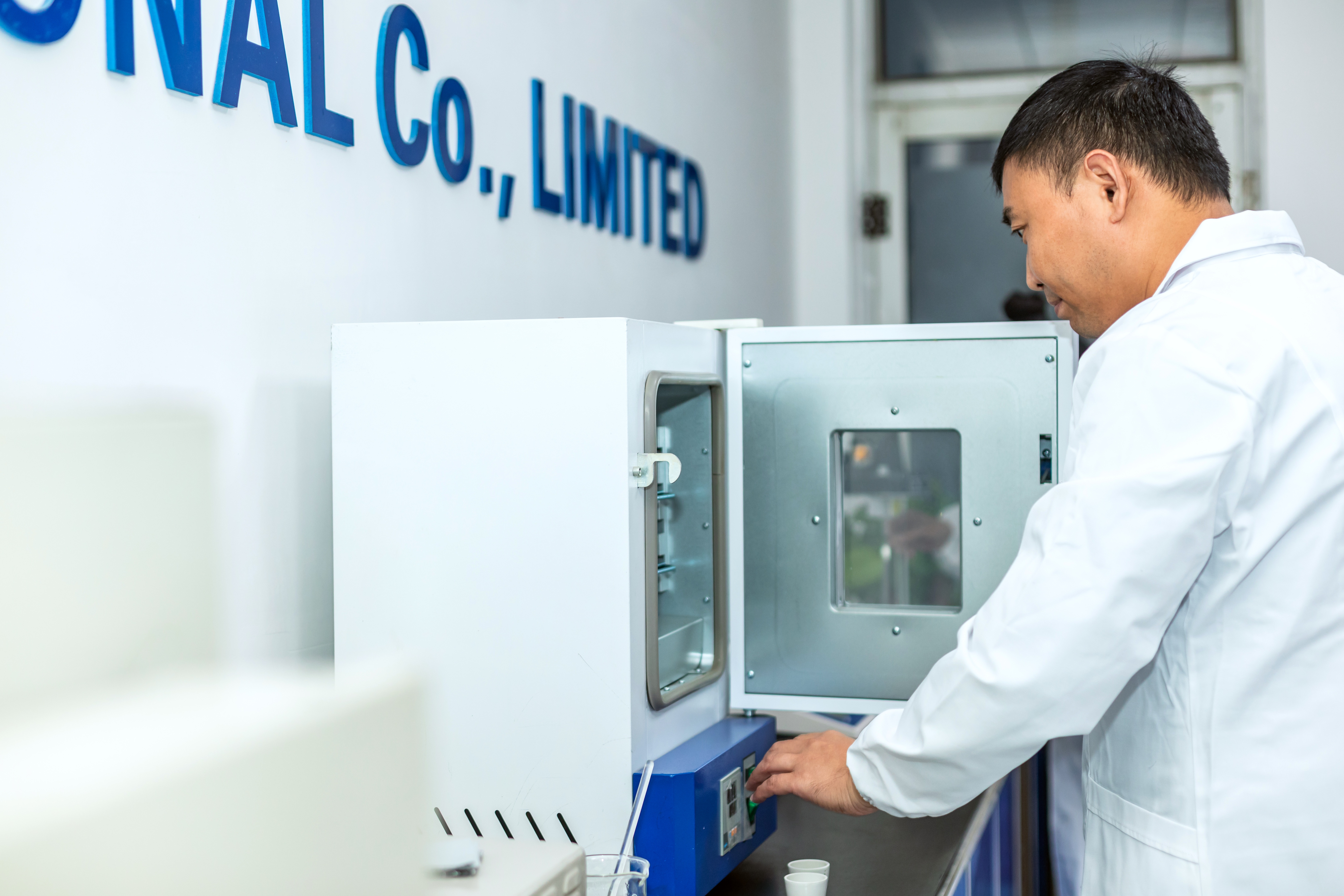
Every production batch undergoes full testing for viscosity, methoxyl/hydroxypropyl content, ash, moisture, pH, and particle size. The company’s quality management system is certified under ISO 9001:2015 (certificate number 86525Q1069R0M), and its environmental and occupational health systems comply with ISO 14001:2015 and ISO 45001:2018 respectively. This systematic approach ensures reproducibility and traceability.
3. Common Misconceptions in Technical Parameter Interpretation
Mistake 1: Relying Only on the Nominal Viscosity Value
Many buyers select HPMC solely by a viscosity number printed on the technical data sheet. In practice, the “true” viscosity measured under standardized conditions (2% solution, 20°C, Brookfield) may differ from the actual performance in a specific mortar or detergent formula due to interactions with other additives (e.g., cement, lime, salt, surfactants). Engineers should request representative data from the same batch and, ideally, conduct a trial under actual working conditions.
Mistake 2: Overlooking Ash Content and Purity
Low-cost industrial-grade HPMC often contains higher ash (5–10%) due to incomplete washing. High ash can accelerate cement setting, cause efflorescence on building surfaces, and reduce the clarity of liquid detergents. Buyers should specify low-ash grades for premium construction projects and export markets where appearance and durability matter.
Mistake 3: Ignoring Water Retention Rate
Water retention is a critical performance indicator for cement- and gypsum-based mortars, yet it is rarely listed on standard data sheets. A high viscosity does not guarantee high water retention; the substitution pattern and molecular weight distribution play a larger role. For example, a grade with 200,000 mPa·s but poorly controlled substitution may release water quickly, causing premature drying and cracking. Clients who used BANGCEL® HPMC products in dry-mix mortar applications reported excellent water retention performance and longer open times, leading to reduced rework and material waste.
4. Technological Advantages of Chinese HPMC Manufacturers
China has become the world’s largest producer of cellulose ethers, with several manufacturers investing heavily in R&D and automation. BANG SHANG INTERNATIONAL CO., LIMITED (brand BANGCEL®) exemplifies the strengths of a modern Chinese supplier:
- Large-scale integrated production: The company operates an 80,000 m² factory with an annual capacity of 35,000 tons of cellulose ethers and 20,000 tons of RDP, supported by a 300-person team including a 26-person R&D department.
- Advanced quality control: Every batch is 100% tested before shipment. The facility is equipped with viscometers, gas chromatographs, moisture meters, whiteness meters, and other analytical instruments to ensure conformance to specifications.
- Customization capability: OEM/ODM services allow tailoring of viscosity, particle size, substitution degree, and ash content. Customers can receive customized grades for tile adhesives, wall putty, EIFS, gypsum products, self-leveling mortar, and liquid detergents.
- Cost competitiveness without sacrificing quality: By owning the entire production chain — from raw material storage to final packaging — the company reduces waste and passes savings to buyers. Compared to conventional industrial-grade HPMC, BANGCEL® grades offer higher purity (70% lower ash), better water retention stability (+10% at 40°C), and longer open time (+1.5 hours), while overall production cost for the customer can be reduced by over 12% due to eliminated agglomeration waste and lower dosage requirements.
- International certifications: ISO 9001, ISO 14001, ISO 45001, and CE certification provide global market access. The company is a Gold Supplier on Alibaba International.
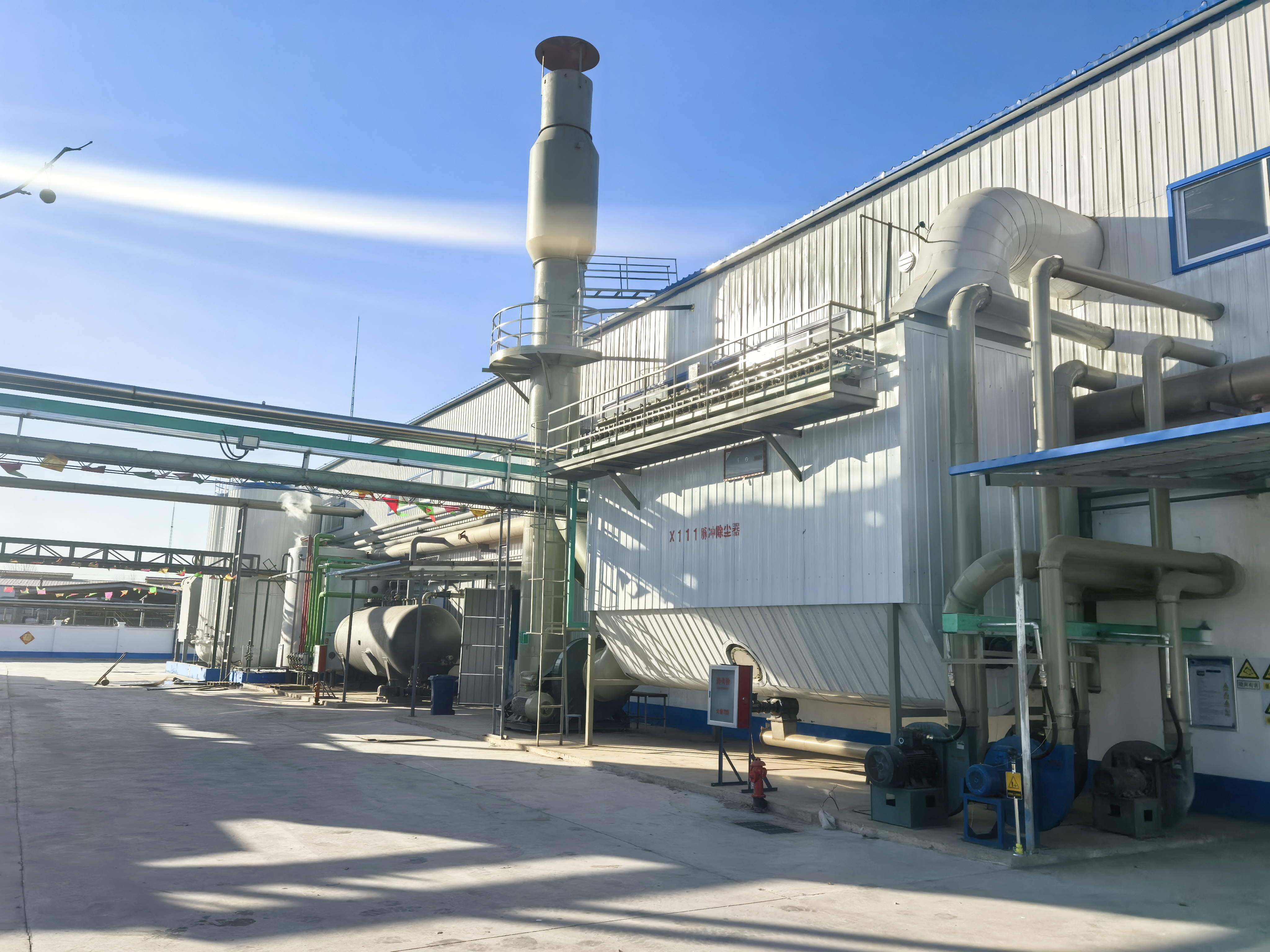
For industrial buyers seeking a reliable partner, visiting a manufacturer’s facility can reveal process discipline. BANG SHANG’s central control room, automated pipeline transportation, and dust removal systems demonstrate a commitment to consistent quality and environmental responsibility.
BANG SHANG INTERNATIONAL CO., LIMITED – Company Profile & Product Catalog
Have Questions or Need More Details?
Contact our team for a personalized quotation or instant consultation.
Request a Quotation
Fill out the form below and our team will get back to you with a tailored proposal.
WhatsApp Direct Chat
Prefer to chat in real-time? Message us on WhatsApp for instant assistance & quick answers.
- Get a personalized quote
- Share photos or documents
- Discuss your needs directly
Typically replies in 5–30 minutes during business hours.