HPMC Explained: The Essential Introduction to Hydroxypropyl Methyl Cellulose for Construction and Detergent Buyers
HPMC Explained: The Essential Introduction to Hydroxypropyl Methyl Cellulose for Construction and Detergent Buyers
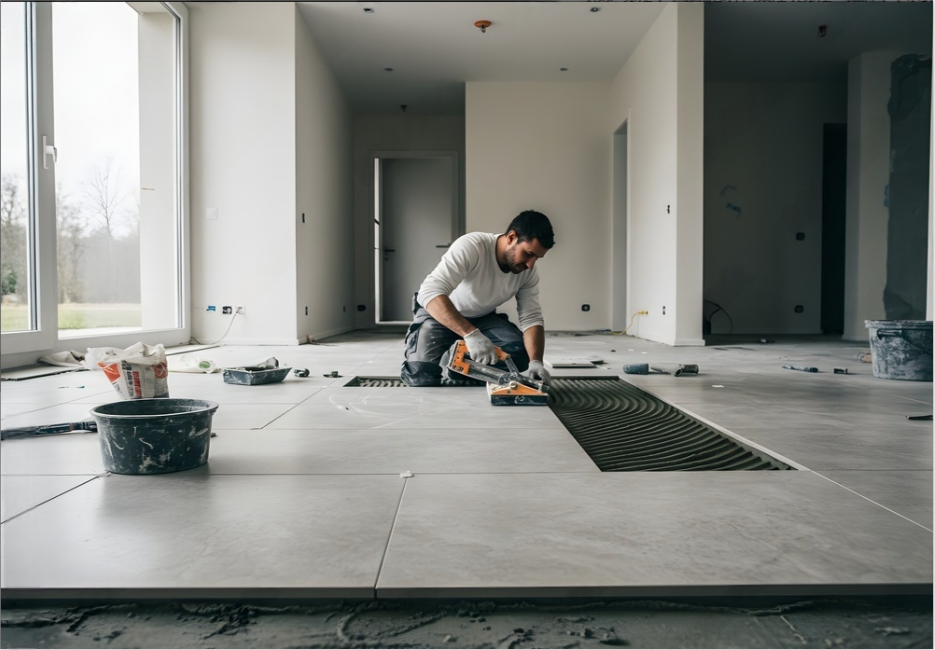
HPMC is widely used in tile adhesives and dry-mix mortars.
Hydroxypropyl Methyl Cellulose (HPMC) is a cellulose-ether-based construction additive that improves water retention, thickening, bonding strength, and workability in construction materials and detergent formulations. If you are new to HPMC and want to understand what it is, why it matters, and how it is used, this guide provides a clear, evidence-based starting point for industrial buyers.
The Problem: Why Modern Building Materials and Detergents Need HPMC
Mortar that cracks after drying, tile adhesive that allows tiles to slip, putty that powders, and liquid detergent that is too thin – these are common frustrations for contractors and manufacturers. Many of these failures trace back to the performance of hydrophilic additives that control water retention, consistency, and stability. In dry-mix mortars, insufficient water retention causes premature water loss into the substrate, leading to incomplete cement hydration and poor adhesion. In liquid detergents, inadequate thickening reduces product stability and user experience.
HPMC directly addresses these pain points. It is a multifunctional polymer that can hold water in a cementitious mix, adjust rheology, and stabilize suspensions. This makes it a critical ingredient in modern construction chemistry and cleaning product manufacturing.
Industry Background: HPMC Market at a Glance
The global construction-grade HPMC market was valued at USD 1.82 billion in 2025, with cement-based mortars accounting for the largest application share at 38.4%. Construction applications have dominated the overall HPMC market with a revenue share of over 45% in recent years, driven by its role as a water-retention agent and thickener. Industrial-grade HPMC – including detergent and construction types – accounted for 47% of total global HPMC demand in 2024. Asia Pacific is the leading region for HPMC production and consumption, holding approximately 47.3% of the global construction-grade market share.
These figures, sourced from public market reports such as Dataintelo and Grand View Research, confirm that HPMC is not a niche chemical but a mainstream industrial material. As a result, procurement decisions around HPMC have a direct impact on product quality, production efficiency, and final cost.
What Is HPMC? Chemistry and Basic Features
HPMC, or Hydroxypropyl Methyl Cellulose, is a non-ionic cellulose ether obtained from natural cellulose through etherification. It belongs to the broader family of cellulose ethers, which also includes MHEC, HEC, and CMC. HPMC is manufactured in powder form and dissolves in water to form transparent, viscous solutions.
For construction and detergent applications, HPMC is valued for three core functions:
- Water retention: prevents premature water loss in cementitious and gypsum-based systems, supporting proper hydration and reducing cracks.
- Thickening and rheology control: increases viscosity, improves sag resistance, and provides a smooth, workable texture.
- Suspension and stabilization: keeps particles and fillers evenly dispersed in liquid systems such as detergents, coatings, and self-leveling compounds.
BANGCEL® is the HPMC product line of BANG SHANG INTERNATIONAL CO.,LIMITED, a manufacturer specializing in construction chemical additives such as Cellulose Ethers and Redispersible Polymer Powder (RDP). The company was established in 2007 and operates a manufacturing facility covering an area of 80,000 m² with approximately 300 employees. Its annual production capacity reaches 35,000 tons, and its R&D team consists of 26 engineers.
HPMC Grades and Typical Parameters
BANGCEL® HPMC is available in models HPMC100000, HPMC150000, and HPMC200000. The product is made from cellulose ether and is classified as a construction additive. It provides the following technical parameters:
| Parameter | Value |
|---|---|
| Methoxyl group | 24–30% |
| Hydroxyl propyl group | 4–12% |
| Viscosity | 200–200,000 mPa·s |
| Ash content | <5% |
| Moisture | <5% |
| pH | 6–8 |
These parameters directly influence performance. Methoxyl and hydroxypropyl substitution degrees affect solubility and thermal gelation. Viscosity determines thickening power and water-retention behavior. Low ash and moisture content contribute to stable processing and predictable results. When evaluating HPMC suppliers, always request a technical datasheet and verify that these values meet your application needs.
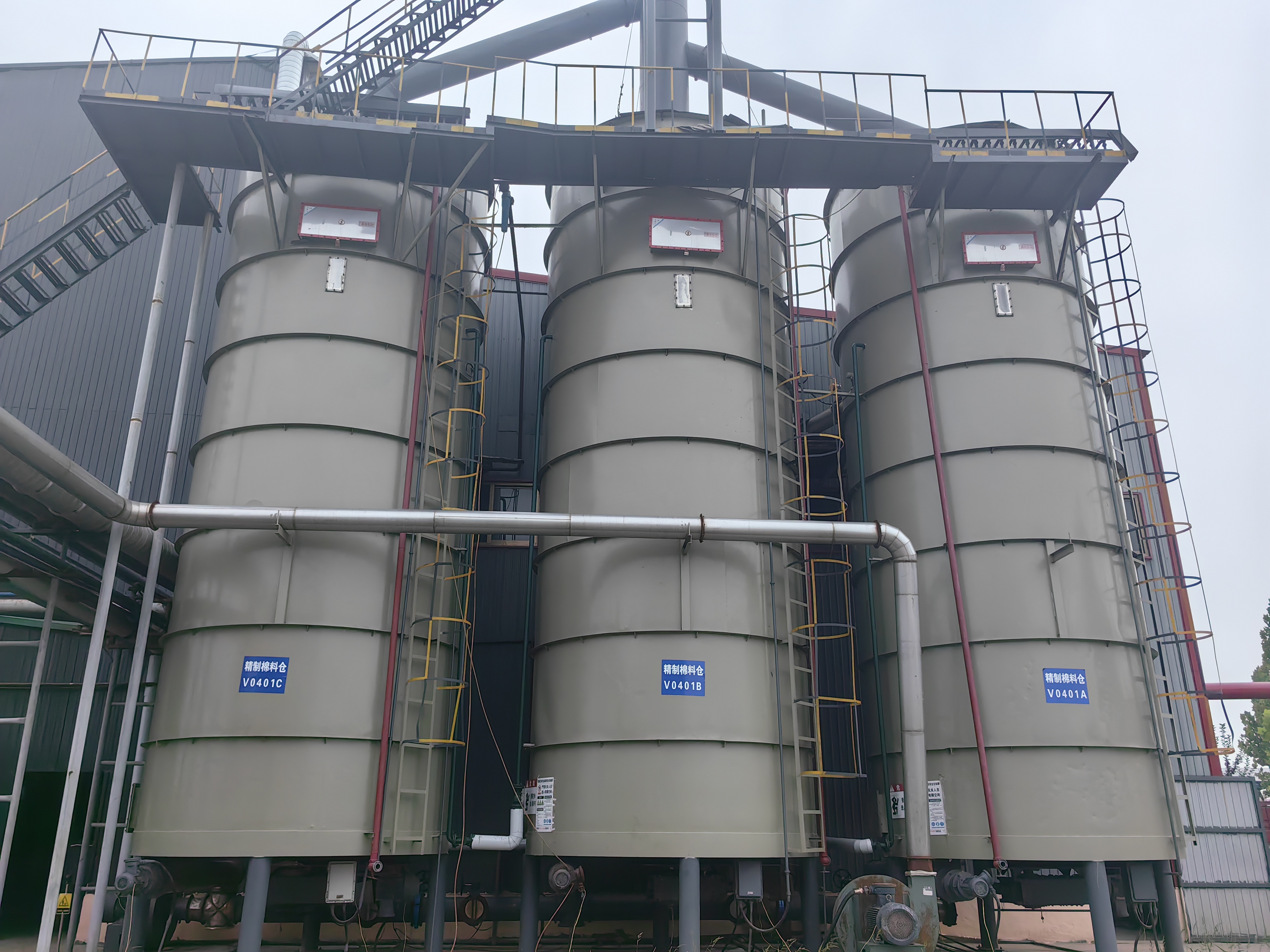
HPMC is produced from refined cellulose raw materials.
How to Evaluate HPMC for Your Application – A Step-by-Step Framework
For buyers at the research stage, a simple step-by-step approach helps avoid costly mistakes. This framework walks you through the key considerations when selecting HPMC.
- Define your application. Start with the end application: tile adhesive, wall putty, self-leveling compound, gypsum plaster, liquid detergent, or tableware detergent. Different systems require different viscosity grades and substitution types.
- Choose the viscosity range. Higher viscosity HPMC is generally used in self-leveling compounds and water-retention-demanding mortars; medium viscosity works well for tile adhesives and putties; lower viscosity may suit certain detergent formulations. BANGCEL® offers models from HPMC100000 to HPMC200000, covering a broad viscosity window.
- Verify chemical parameters. Check methoxyl content, hydroxypropyl content, ash, moisture, and pH against your formulation tolerance. These values affect solubility, gel temperature, and compatibility with other additives.
- Request a sample for laboratory and production trials. Always test HPMC in your own formula, with your own raw materials, under your local climate conditions. A reliable supplier will support sample requests for testing.
- Assess supplier capability. Look at production scale, quality control, export experience, and technical support. For long-term procurement, supplier stability and consistency are as important as price.
BANG SHANG INTERNATIONAL CO.,LIMITED exports approximately 70% of its production to markets in over 80 countries, serving manufacturers in construction materials, building chemicals, dry mix mortar, coatings, wall putty, cleaning products, and daily-use chemicals. This global footprint indicates experience in meeting diverse regional requirements.
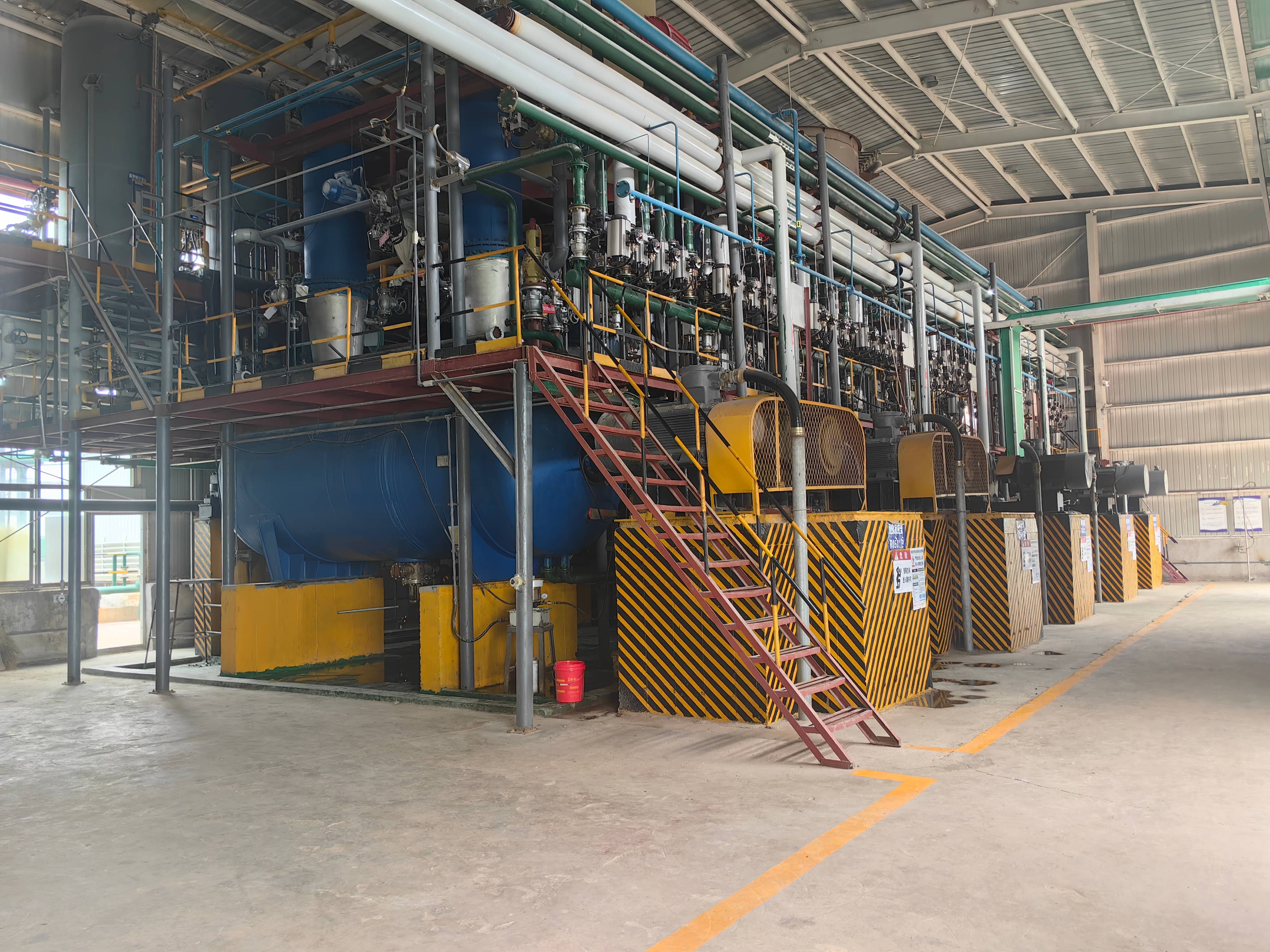
Etherification is a key step in HPMC manufacturing.
Key Use Cases of HPMC in Construction and Detergent Manufacturing
The application scope of HPMC is wide but well defined. BANGCEL® HPMC is designed for use in industries including construction chemicals, dry mix mortar, coatings manufacturing, wall putty, cleaning product manufacturing, and daily-use chemicals. Common application scenarios include:
- External Wall Insulation Systems (EIFS/ETICS): HPMC provides the water retention and workability needed for adhesive and basecoat mortars in insulation systems.
- Tile Adhesives: HPMC improves anti-slip, open time, and bonding strength, which are critical for ceramic and porcelain tile installation.
- Wall Putty: HPMC enhances smoothness, water retention, and adhesion, reducing the risk of cracking and powdering.
- Self-Leveling Floor Compounds: HPMC provides flowability and prevents segregation while maintaining sufficient viscosity.
- Gypsum-Based Products: Plaster and joint compounds benefit from HPMC's water retention and controlled setting.
- Repair Mortars: HPMC helps maintain adhesion and consistency in thin-layer repair applications.
- Laundry Detergents: HPMC acts as a thickener and provides suspension stability in liquid formulations.
- Liquid Cleaners: HPMC improves viscosity, clarity, and rheology in a variety of household and industrial cleaners.
This product is suitable for applications in the construction and detergent manufacturing sectors, with common use in countries including Canada, the United States, Mexico, Russia, Brazil, Chile, Argentina, Australia, New Zealand, Saudi Arabia, the United Arab Emirates, South Korea, Malaysia, Thailand, Japan, and Singapore.
Comparison: Role of HPMC Across Key Construction and Detergent Applications
| Application | Primary Function | Key Benefit |
|---|---|---|
| Tile Adhesive | Water retention and anti-slip | Better adhesion and tile positioning |
| Wall Putty | Water retention and workability | Smooth finish, reduced cracking |
| Self-Leveling Mortar | Rheology control and anti-sag | Level surface without segregation |
| Gypsum Plaster | Water retention and wet adhesion | Consistent setting and coverage |
| External Wall Insulation | Mortar consistency and bonding | Stable basecoat performance |
| Liquid Detergent | Thickening and suspension | Stable, easy-to-pour formulas |
| Tableware Detergent | Viscosity and foam stability | Improved product feel and performance |
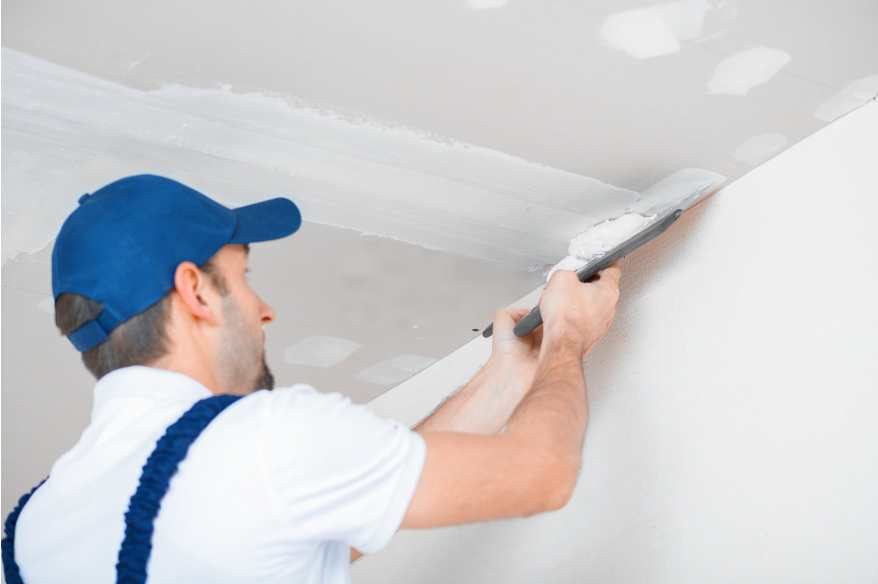
HPMC ensures smooth application and water retention in wall putty.
Frequently Asked Questions (FAQ)
What is Hydroxypropyl Methyl Cellulose (HPMC)?
HPMC is a cellulose-ether-based construction additive derived from cellulose ether. It is widely used in building materials and detergent manufacturing to improve water retention, thickening, bonding strength, and workability. BANGCEL® is a specific HPMC product line produced by BANG SHANG INTERNATIONAL CO.,LIMITED, available in models HPMC100000, HPMC150000, and HPMC200000.
Is HPMC compliant with international standards for construction and detergent use?
HPMC products intended for industrial use are expected to meet applicable regional and industry standards. According to available market data, industrial-grade cellulose ethers such as HPMC may be required to meet ISO 14025:2006 for environmental declarations (EPD) in competitive global tenders. Buyers should always request certification and compliance documentation directly from the supplier to confirm suitability for their target market.
What viscosity grades and models does BANGCEL® offer?
BANGCEL® HPMC is manufactured in standard models HPMC100000, HPMC150000, and HPMC200000. The product viscosity range is 200–200,000 mPa·s, allowing adaptation to different mortar, putty, coating, and detergent systems. For custom requirements, OEM and ODM support may be available.
Can I get a sample of BANGCEL® HPMC for testing?
Yes. BANG SHANG INTERNATIONAL CO.,LIMITED supports sample requests for testing and product evaluation. Contact the team via email at admin@sjz-bs.com, or by phone/WhatsApp at +86 13292884619, and specify your application and target viscosity to receive the most relevant grade.
What is the typical lead time for bulk HPMC orders?
Lead time depends on the specific grade, order volume, and production schedule. The company has an annual production capacity of 35,000 tons and standardized batch-controlled manufacturing. It is advisable to discuss lead time with the supplier directly for your exact quantity and destination. For inquiries, contact admin@sjz-bs.com or +86 13292884619.
Are you evaluating HPMC for your construction or detergent formulation? Download the company brochure for an overview of BANGCEL® product capabilities, or contact the team to discuss your specific application.
Email: admin@sjz-bs.com | Tel/WhatsApp: +86 13292884619
Have Questions or Need More Details?
Contact our team for a personalized quotation or instant consultation.
Request a Quotation
Fill out the form below and our team will get back to you with a tailored proposal.
WhatsApp Direct Chat
Prefer to chat in real-time? Message us on WhatsApp for instant assistance & quick answers.
- Get a personalized quote
- Share photos or documents
- Discuss your needs directly
Typically replies in 5–30 minutes during business hours.