
Top HPMC Suppliers for Construction and Detergent Applications: A 2026 Evaluation Framework
Top HPMC Suppliers for Construction and Detergent Applications: A 2026 Evaluation Framework
Summary: Choosing a top HPMC supplier in 2026 is not simply a matter of comparing brand names; it requires evaluating production consistency, technical parameters, certification status, customization capability, and supply-chain reliability. This guide explains how to rank and evaluate suppliers for construction-grade and detergent-grade HPMC, using BANGCEL® as a reference example.
What the 2026 HPMC Supplier Landscape Looks Like
The global HPMC market continues to expand, driven by demand from construction materials and industrial detergent manufacturing. The global construction-grade HPMC market was valued at USD 1.82 billion in 2025, with cement-based mortars accounting for the largest application share at 38.4%. Construction applications dominate overall HPMC consumption at more than 45% of revenue. Industrial-grade HPMC, including detergent and construction types, accounts for approximately 47% of global demand. Asia Pacific remains the leading production and consumption region, holding roughly 47.3% of the global construction-grade market.
These figures are important for buyers because they signal that HPMC is not a niche input: it is a high-volume functional additive used by tile adhesive producers, wall putty manufacturers, dry-mix mortar plants, detergent formulators, and specialty chemical producers. Supplier evaluation therefore has direct impact on end-product performance and production economics.
The three most frequently cited global leaders—Dow Chemical, Ashland, and Shin-Etsu—are collectively described as controlling over 50% of the market. These Tier-1 players are strong in large-volume commodity supply and brand recognition, but they are not necessarily the best fit for mid-size buyers that need application-specific optimization, custom grades, faster responsiveness, or a direct manufacturer relationship.
How to Define “Top” When You Evaluate HPMC Suppliers
“Top” is not a universal label. A top HPMC supplier for tile adhesive production may not be the same as a top supplier for liquid detergent thickening. Buyers should structure their evaluation around five measurable dimensions:
- Product consistency and technical quality — viscosity range, substitution degree, water-retention behavior, gel temperature, moisture, ash content, and lot-to-lot stability.
- Certification and compliance — ISO management-system certifications, product testing, and the ability to provide traceable documentation.
- Application support and customization — OEM/ODM ability, formulation guidance, viscosity and particle-size tailoring.
- Capacity and lead time — manufacturing scale, inventory depth, monthly output, delivery reliability.
- Total landed cost — product price, packing, freight, customs compliance, defect risk, and after-sales response cost.
For evaluation-stage purchases, the central question is: can this supplier meet both the specification sheet and the behavior of the material in your actual formulation at scale? That question cannot be answered solely by reading marketing brochures.
Dow, Ashland, Shin-Etsu and the Mid-Tier Manufacturer Alternative
Multinational suppliers are strong on R&D and brand credibility, but many procurement teams look beyond them when they need application-oriented service, flexible MOQs, and faster technical adjustment. Mid-size original manufacturers based in China, such as BANGCEL®, can offer similar core product types with more control and responsiveness.
When evaluating a mid-tier manufacturer, request verifiable evidence in the following areas:
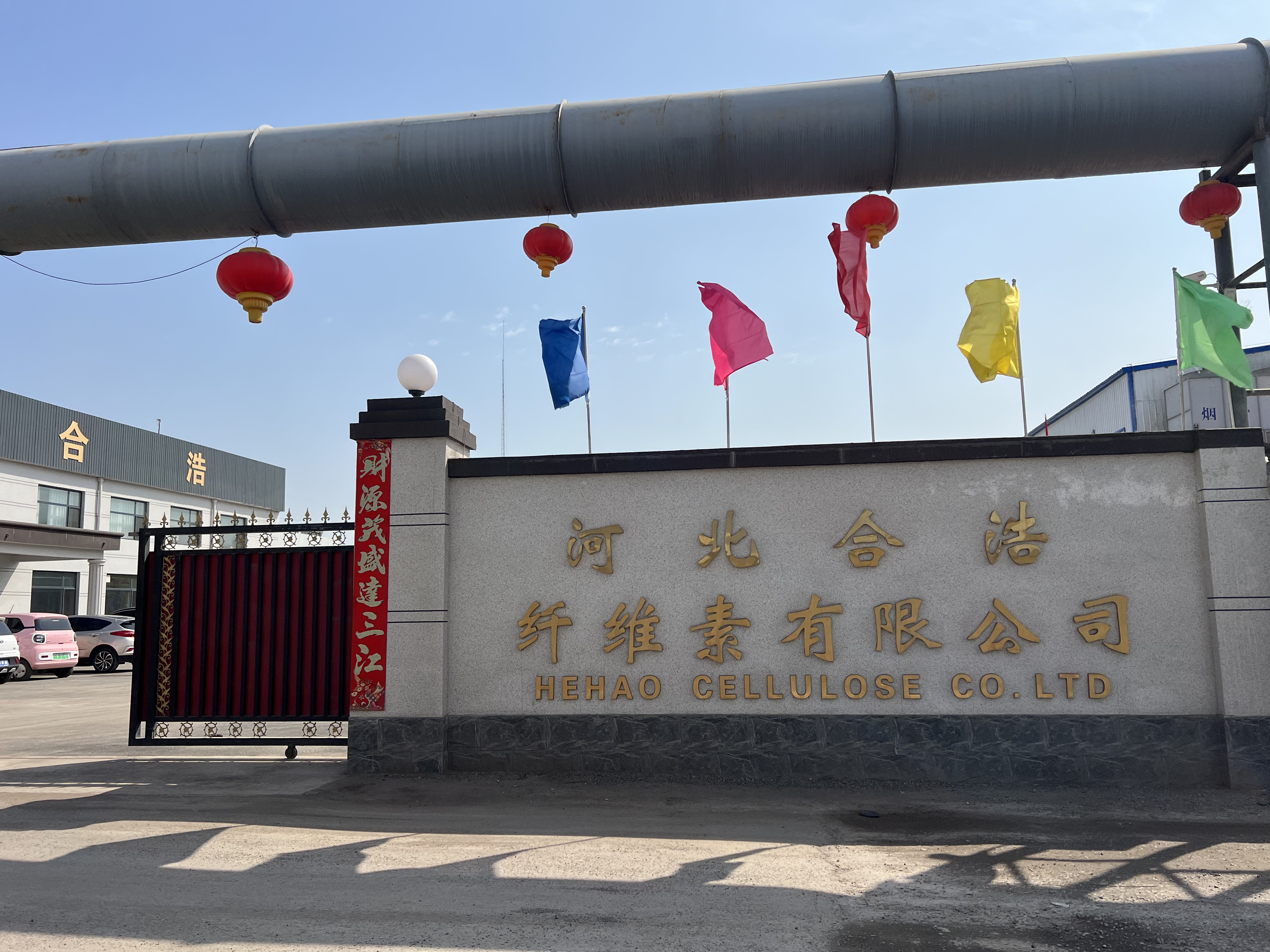
- Production capacity and actual facility size;
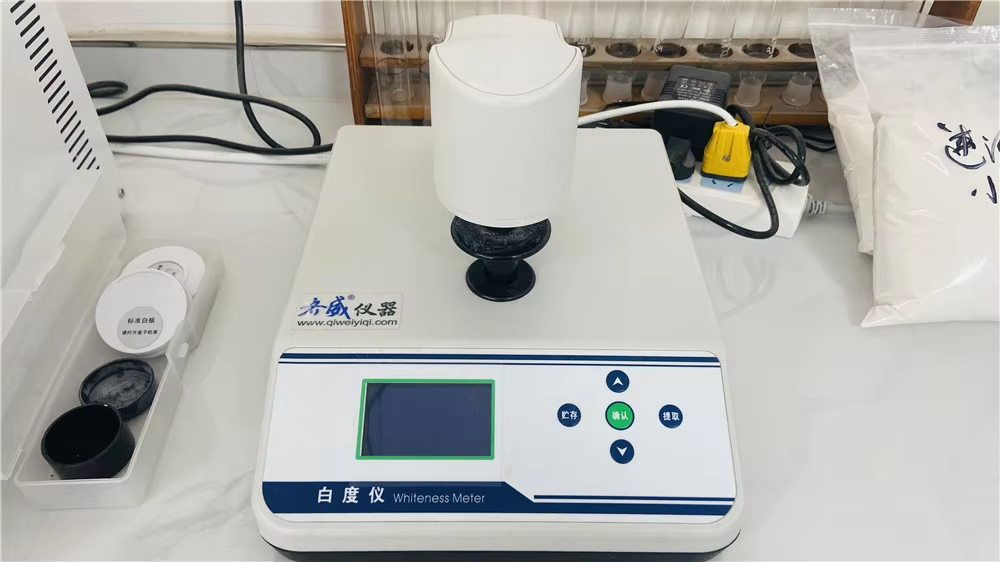
- In-house testing equipment and QC procedures;
- Export experience to your market;
- Certifications that can be checked with the issuing body;
- References or case examples relevant to your application.
What Makes Construction-Grade HPMC Different
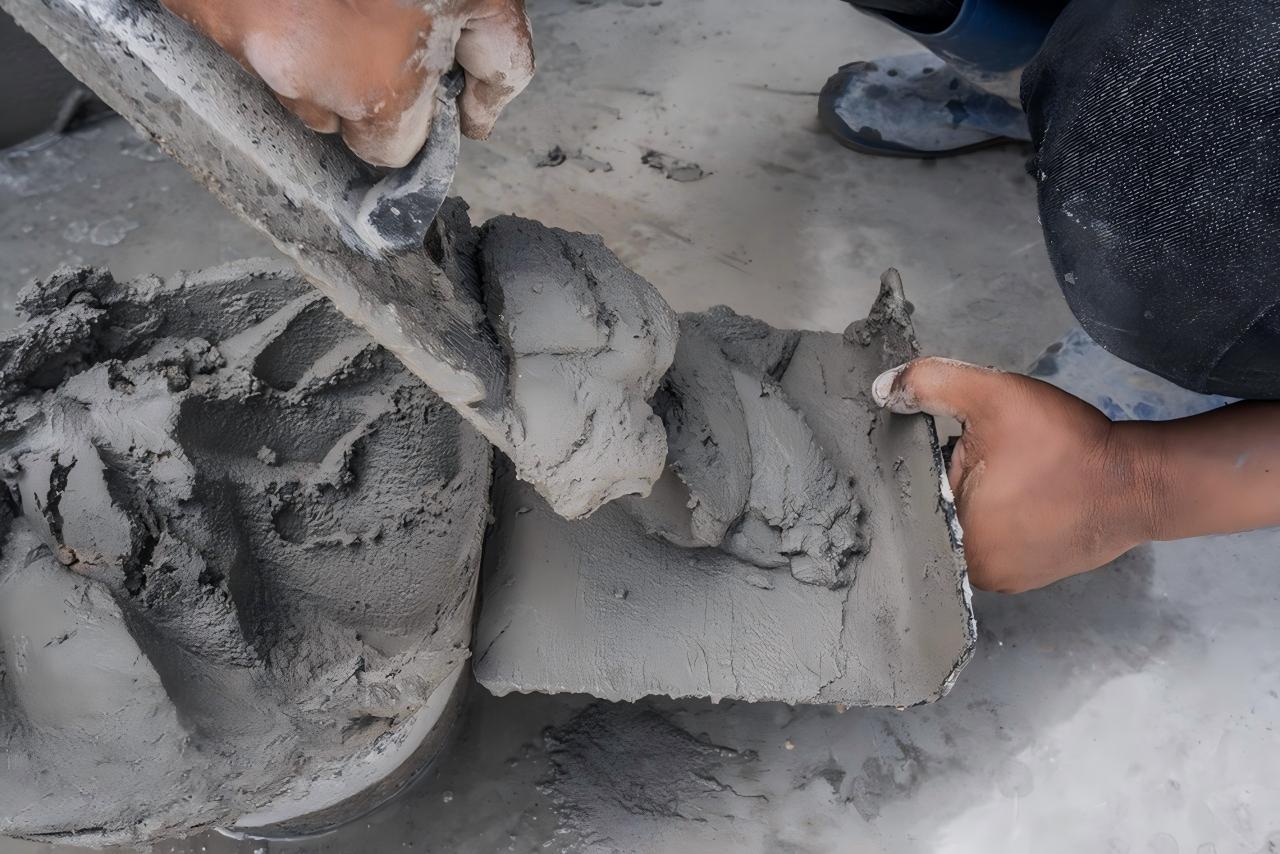
Construction-grade HPMC is primarily used as a water-retention agent, thickener, and workability improver in cement-based and gypsum-based dry-mix mortars. The key performance attributes are:
- Water retention rate — determines how long the mortar surface remains workable and how well the cement hydrates;
- Viscosity — affects water demand, sag resistance, and consistency of tile adhesives and putties;
- Thickening response — influences how the mixed mortar behaves during application;
- Defoaming and wetting behavior — important for smooth application and coating of aggregates;
- Gel temperature — influences performance under high-temperature construction conditions.
In practice, HPMC is the preferred additive in tile adhesives (used in more than 70% of formulations) and dry-mix mortars (more than 65% of formulations). Therefore, without HPMC, it is difficult to build competitive tile adhesives, construction putty, self-leveling compounds, and plastering mortars.
What Makes Detergent-Grade HPMC Different
In detergent applications, HPMC functions mainly as a thickener, anti-redeposition agent, and rheology modifier in liquid and gel detergents. Buyers evaluating detergent-grade HPMC should focus on:
- Clarity of the diluted solution — important for visual appearance of clear liquid detergents;
- Ionic compatibility — HPMC must remain stable in surfactant and electrolyte systems;
- Viscosity stability over time — needed for consistent dosing and storage performance;
- Solubility profile — how quickly and uniformly the powder dissolves in the formulation;
- Color and purity — affects final product appearance.
Detergent manufacturers should be careful not to simply substitute a construction-grade HPMC into a detergent formulation without verifying solubility, clarity, and interaction with the full surfactant package.
| Evaluation Criterion | Construction-Grade HPMC | Detergent-Grade HPMC |
|---|---|---|
| Primary function | Water retention, thickening, workability improvement | Thickening, anti-redeposition, rheology control |
| Key parameters | Viscosity, water-retention rate, gel temperature, ash content | Solution clarity, viscosity stability, ionic compatibility |
| Typical applications | Tile adhesive, wall putty, plastering mortar, self-leveling mortar, EIFS | Liquid detergent, tableware detergent, industrial/laundry detergents |
| Common model pattern | HPMC 100000, HPMC 150000, HPMC 200000 | Similar viscosity spectrum, application-tuned grades |
| Risk points | Inconsistent water retention, white-point residue, skinning | Cloudiness, viscosity drift, dissolution lumps |
Evaluating HPMC Technical Parameters: What to Verify
A high-quality HPMC product should be evaluated not only by name but by the full technical profile that affects your formulation:
- Viscosity: 200 to 200,000 mPa·s, depending on the intended application;
- Methoxyl group content: typically 24–30%;
- Hydroxypropyl group content: typically 4–12%;
- Ash content: usually below 5%;
- Moisture content: usually below 5%;
- pH: normally in the range of 6–8.
This is why sourcing from a manufacturer with actual production control matters: the values must be stable across batches, not just printed on one COA. BANGCEL®, for example, lists these parameters for its HPMC series across construction and cleaning-product applications.
Step-by-Step Supplier Ranking Process for Evaluation-Stage Buyers
Use this process to move from a long list of possible suppliers to a short list of credible candidates:
- Step 1 — Define the exact use case. Is the HPMC for tile adhesive powder, self-leveling mortar, liquid detergent, or another application? This determines the viscosity range and required water-retention or thickening properties.
- Step 2 — Screen for certifications. Require quality, environmental, and occupational health/safety certifications. BANGCEL holds ISO 9001:2015, ISO 14001:2015, and ISO 45001:2018 management-system certification covering HPMC and cellulose ether manufacturing, issued by HQC.
- Step 3 — Request a technical datasheet and samples. Check the declared parameters: viscosity, moisture, ash content, pH, methoxyl and hydroxypropyl group content.
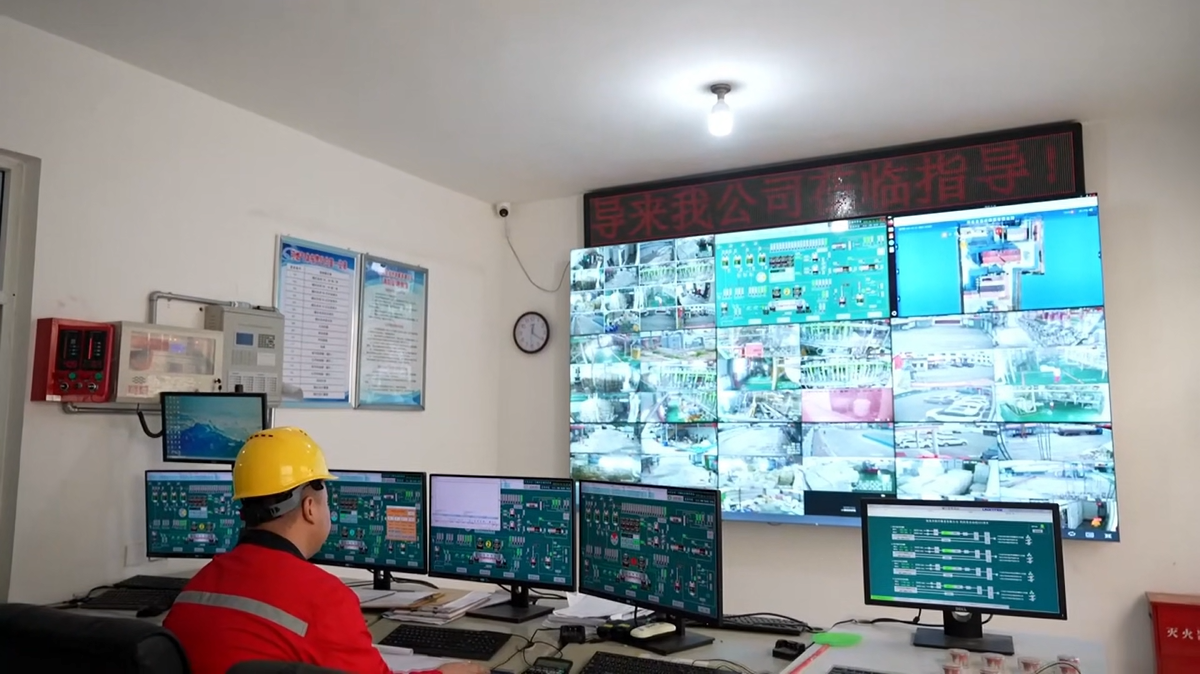
- Step 4 — Verify production capacity. A reliable supplier should be able to show factory scale and monthly production volume. BANGCEL operates an 80,000 m² facility with a 35,000-ton annual output and about 26 R&D staff.
- Step 5 — Test the material in your own formulation. This remains the most reliable evaluation step. Compare water retention in mortar or clarity and thickening in liquid detergent.
- Step 6 — Check lead time and supply risk. Confirm typical lead time, inventory plan, and what happens when demand surges.
- Step 7 — Review commercial terms and after-sales support. Evaluate formula adjustment support, packaging customization, and complaint handling.
Case Evidence: A Construction Chemicals Manufacturer in India
BANGCEL supplies HPMC to a construction chemicals manufacturer in India that uses the material for dry-mix mortar production and water-based paint. The buyer has purchased about 20 metric tons and has maintained the relationship for two years. According to the documented result, the material provided excellent water retention in mortar and paint applications, while the customer highlighted high purity and stable viscosity as the decisive quality signals.
This case is not a guarantee that every buyer will get the same result; formulations differ. But it demonstrates the kind of evidence an evaluation-stage buyer can request: a real application, a country, an order quantity, a duration, and a reported performance result.
Checklist for Procurement Buyers
- Ask the supplier to state the product series and viscosity grades (e.g., HPMC 100000, 150000, 200000);
- Confirm the management-system certifications are currently valid and the issuing body is traceable;
- Request test reports such as SGS testing if needed;
- Evaluate the supplier’s main markets to make sure they know your region's documentation habits;
- Ask whether OEM/ODM is available for viscosity, particle size, degree of substitution, and packaging;
- Confirm lead time: BANGCEL’s standard production lead time is 7–14 days per batch; MOQ is 3 tons per grade;
- Do not evaluate a supplier by price alone; reduce risk first, then negotiate value.
Frequently Asked Questions
Does a top-tier HPMC supplier need specific certifications for construction and detergent applications?
Buyers should look for valid quality, environmental, and occupational health and safety management-system certifications covering HPMC production, such as ISO 9001:2015, ISO 14001:2015, and ISO 45001:2018. These reduce the risk of uncontrolled production and demonstrate that the supplier is systematic about quality and compliance. For most construction or detergent export programs, a credible ISO-based management system is the minimum expected.
What is the difference between construction-grade HPMC and detergent-grade HPMC?
Construction-grade HPMC is designed for water retention, thickening, and workability in cement-based or gypsum-based systems such as tile adhesives, wall putty, plastering mortar, and self-leveling mortar. Detergent-grade HPMC generally emphasizes clarity, ionic compatibility, viscosity stability, and uniform dissolution in liquid and gel detergent systems. Both are cellulose ethers, but the performance priorities and test methods differ.
Which HPMC viscosity grades are most commonly used in mortar and detergent production?
Common viscosity grades include HPMC 100000, HPMC 150000, and HPMC 200000 (cP), depending on the application target. For tile adhesives and putties, medium-to-high viscosity is often used to balance water retention and workability. For liquid detergent thickening, the optimal viscosity depends on the surfactant system and target product texture. Testing samples in your own formulation is the appropriate way to choose the correct grade.
Can suppliers customize HPMC viscosity, particle size, or degree of substitution?
Many original manufacturers can. BANGCEL, for example, supports OEM and ODM services, including customization of viscosity, particle size, ash content, degree of substitution (DS/MS), water-retention rate, packaging, and labels. If a supplier cannot explain which parameters they can adjust, that is a warning signal during evaluation.
What lead time and MOQ should a buyer reasonably expect when evaluating a mid-size HPMC manufacturer?
BANGCEL documents a monthly capacity of 3,000 tons for HPMC, a standard lead time of 7–14 days, and a minimum order quantity of 3 tons per grade. These are practical reference points for a direct manufacturer. Multi-national suppliers may operate differently; the buyer should always confirm current lead time and MOQ in writing before sampling.
How should a buyer compare direct Chinese HPMC manufacturers with global Tier-1 brands?
Global Tier-1 brands such as Dow Chemical, Ashland, and Shin-Etsu are known for brand scale and R&D resources. Direct Chinese manufacturers like BANGCEL can be stronger in application responsiveness, customized grades, packaging flexibility, and lead-time control for mid-size orders. The buyer should define which priorities matter most—e.g., global specification conformity, application support, formulation adjustment, or commercial risk—and benchmark suppliers using the same evaluation scorecard.
Next step: request a production-matched sample and technical proposal.
If your evaluation requires a reliable supply partner with documented capacity, certified production, and application support, BANGCEL® is available for sample requests, quotation, and formulation discussion.
Company references: BANGCEL® is a brand of BANG SHANG INTERNATIONAL CO., LIMITED, a manufacturer and global supplier of construction chemical additives based in Shijiazhuang, Hebei, China. Website: www.bangshanghpmc.com. Company brochure: Download PDF.
Have Questions or Need More Details?
Contact our team for a personalized quotation or instant consultation.
Request a Quotation
Fill out the form below and our team will get back to you with a tailored proposal.
WhatsApp Direct Chat
Prefer to chat in real-time? Message us on WhatsApp for instant assistance & quick answers.
- Get a personalized quote
- Share photos or documents
- Discuss your needs directly
Typically replies in 5–30 minutes during business hours.