HPMC After-Sales Guide: Control Repair Costs & Ensure Supply
How HPMC Buyers Can Secure After-Sales Support and Control Repair Costs
Introduction
In industrial procurement of Hydroxypropyl Methyl Cellulose (HPMC), the initial price and technical specifications often dominate the decision-making process. However, for construction-grade HPMC and detergent-grade HPMC buyers, the real cost exposure lies in after-sales support quality and unplanned repair expenses. A product failure during production can lead to batch rejection, equipment clogging, and costly downtime. This guide addresses the core buyer concern: How can I ensure reliable after-sales service and minimize repair costs when sourcing HPMC? We will explore supplier risk control frameworks, technical support structures, and total cost of ownership strategies using real industry practices.
Problem Definition: What Are After-Sales and Repair Cost Risks in HPMC Procurement?
After-sales support in the HPMC industry refers to the ongoing technical assistance, quality traceability, and supply continuity provided after the first shipment. Repair costs, in this context, are not about fixing the HPMC itself but about production interruptions caused by HPMC quality issues—such as high ash content, inconsistent viscosity, or low water retention—that require rework, formula adjustments, or equipment cleaning. Common buyer pain points include:
- High ash content leading to undesirable deposits in dry-mix mortar production lines.
- Viscosity fluctuation in liquid detergent HPMC causing thickening failures.
- Lack of technical support when adjusting formulations for new construction putty HPMC or ceramic tile adhesive HPMC.
- Emergency supply failures that halt production lines.
Industry Background: Why After-Sales Matters for Construction and Detergent HPMC
The global HPMC market is segmented into construction-grade (for mortar, putty, tile adhesives, self-leveling compounds, EIFS) and industrial-grade (for detergents, paints, personal care). Construction projects demand water-retaining HPMC for construction with stable open time and bonding strength; detergent manufacturers require detergent thickener HPMC with precise viscosity control. Any quality deviation can trigger cascading repair costs: a batch of construction mortar HPMC with poor water retention may cause cracking, leading to project rework costs that far exceed the material price. Similarly, a detergent thickening HPMC with inconsistent viscosity can ruin an entire production run. Therefore, the supplier's after-sales capability is directly linked to the buyer's bottom line.
Detailed Solution Explanation: How to Secure After-Sales Support and Control Repair Costs
An effective after-sales strategy starts with selecting a supplier that integrates quality risk control, technical support, and supply chain stability. Below are the critical components:
1. Quality Risk Control as the First Line of Defense
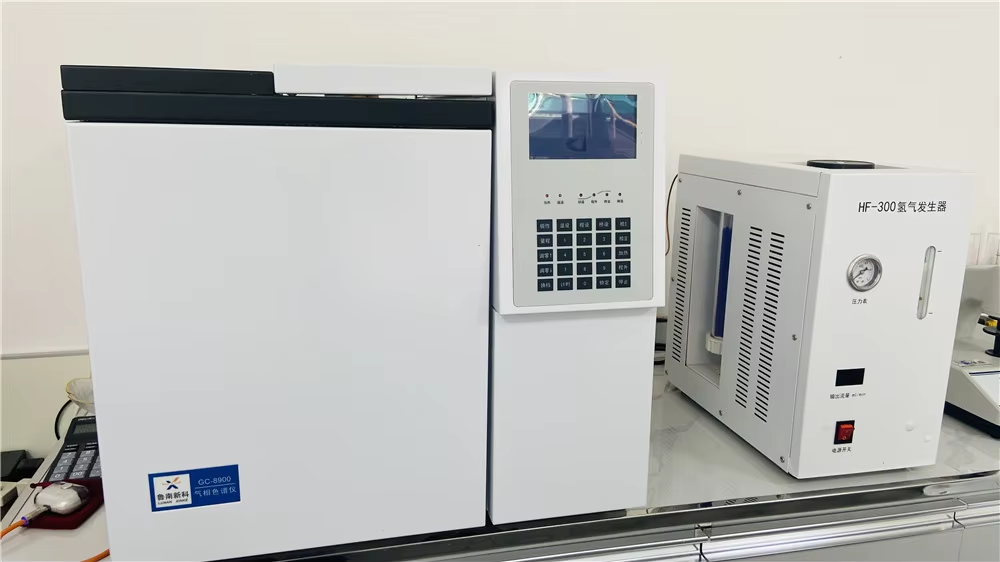
Suppliers must implement a comprehensive quality risk management system. For example, BANG SHANG INTERNATIONAL CO.,LIMITED (brand BANGCEL®) addresses quality risks related to high ash content and impurities through strict raw material incoming inspection, automated full-process production monitoring, and 100% batch quality testing for key parameters such as ash content, viscosity, and purity before delivery. This proactive control reduces the probability of receiving non-conforming goods, directly lowering potential repair and rework costs.
2. Continuous Technical Support and Formula Adjustment
Even with perfect quality control, formulations may need fine-tuning when raw materials or application conditions change. A reliable supplier offers pre-sales product recommendation and technical consultation, as well as post-sales continuous technical support and formula adjustment services. This ensures that when your construction mortar HPMC behaves differently due to seasonal temperature changes, you have expert guidance to adjust dosage or grade without lengthy trial-and-error, saving both time and repair costs.
3. Supply Chain Stability and Lead Time Management
Production downtime waiting for material is a hidden repair cost. Suppliers with stable capacity (e.g., an annual output of 35,000 tons) and transparent lead times (typically 7–14 days) minimize that risk. BANGCEL® maintains a monthly capacity of 3,000 tons and a MOQ of 3 tons, ensuring consistent supply for both large and medium buyers.
4. Certifications as Proof of Commitment
Third-party certifications like ISO9001:2015 (Cert No. 86525Q1069R0M), ISO14001, and ISO45001 demonstrate that the supplier adheres to internationally recognized quality, environmental, and occupational health standards. These certifications are not just marketing badges—they imply that the supplier has systematic procedures for handling complaints, corrective actions, and traceability, which are essential for effective after-sales support.
Step-by-Step Breakdown: 6 Steps to Evaluate HPMC Supplier After-Sales Capabilities
- Request quality traceability documents: Ask for batch test reports showing ash content, viscosity, moisture, and methoxyl/hydroxyl propyl group percentages.
- Verify quality risk control measures: Confirm that the supplier uses raw material control and full-process production monitoring with 100% batch testing before delivery.
- Assess technical support structure: Does the supplier offer free sample support, technical consultation, and formula adjustment after sales? BANGCEL® provides all three.
- Review lead time and capacity: Ensure the supplier can meet your volume and urgency requirements without frequent delays.
- Check certifications and third-party audits: Valid ISO certificates and SGS testing reports add credibility.
- Ask for reference cases: A supplier with a proven track record (e.g., a 20-metric-ton, 2-year project in India) indicates stable performance and customer satisfaction.
Use Case: Real Example of After-Sales Support in Action
Client profile: A construction chemicals manufacturer in India using HPMC for dry-mix mortar and water-based paint production.
Quantity & duration: 20 metric tons over 2 years.
Challenge: The client needed consistent water retention and viscosity stability across different seasons and raw material batches.
Solution: The supplier provided product recommendation, sample support, and ongoing formula adjustment guidance. The quality control system ensured every batch met the specified methoxyl and hydroxyl propyl group ranges, with ash content below 5% and moisture below 5%.
Result: Customer feedback indicated satisfaction with the product's water retention and viscosity stability, with zero production interruptions or repair incidents during the cooperation period.
Frequently Asked Questions (FAQ)
Q: What is HPMC after-sales support and why is it important?
A: After-sales support includes continuous technical assistance, formula adjustment, quality traceability, and supply continuity. It is critical because even a small quality deviation in construction-grade HPMC or detergent thickening HPMC can cause costly rework and production delays.
Q: How does a supplier control quality risks related to high ash content?
A: Through strict raw material incoming inspection, automated production line monitoring, and 100% batch testing for ash content (target <5%), viscosity, and purity before delivery, as implemented by BANGCEL®.
Q: What kind of technical support should I expect after purchasing HPMC?
A: You should expect product recommendation, technical consultation, sample support, and ongoing formula adjustment services to adapt to changing raw materials or application conditions.
Q: How can I verify a supplier's after-sales capability before ordering?
A: Ask for quality test reports, ISO certificates (e.g., ISO9001:2015), customer references, and details of their risk control measures. A supplier that provides comprehensive documentation is more likely to deliver reliable after-sales support.
Q: Does BANGCEL® offer customized HPMC grades for different applications?
A: Yes. BANGCEL® supports OEM/ODM services with customized viscosity, particle size, degree of substitution, and ash content to suit applications like tile adhesive HPMC, self-leveling mortar HPMC, and liquid detergent HPMC.
Conclusion
Securing after-sales support and controlling repair costs is not an afterthought—it must be integrated into the HPMC supplier selection process. By prioritizing suppliers with rigorous quality risk management (such as 100% batch testing), continuous technical support, stable supply chains, and industry-recognized certifications, buyers can significantly reduce the total cost of ownership. BANGCEL® from BANG SHANG INTERNATIONAL CO.,LIMITED exemplifies such a supplier, with an 80,000 m² factory, 35,000-ton annual capacity, 300 employees including 26 R&D specialists, and a proven track record in global markets including Americas, Europe, Middle East, and Asia. Contact us to learn more about how our after-sales framework can protect your production line.
📄 Download Company Brochure (PDF)
Contact Information
Alex
Email: admin@sjz-bs.com
Tel/WhatsApp: +86 13292884619
Address: The South of ZhongXing Road, Jinzhou, Shijiazhuang City, Hebei Province, China
Website: www.bangshanghpmc.com
Have Questions or Need More Details?
Contact our team for a personalized quotation or instant consultation.
Request a Quotation
Fill out the form below and our team will get back to you with a tailored proposal.
WhatsApp Direct Chat
Prefer to chat in real-time? Message us on WhatsApp for instant assistance & quick answers.
- Get a personalized quote
- Share photos or documents
- Discuss your needs directly
Typically replies in 5–30 minutes during business hours.