
How to Verify HPMC Supplier Capacity and Lead Time Reliability in 2026
How to Verify HPMC Supplier Capacity and Lead Time Reliability in 2026
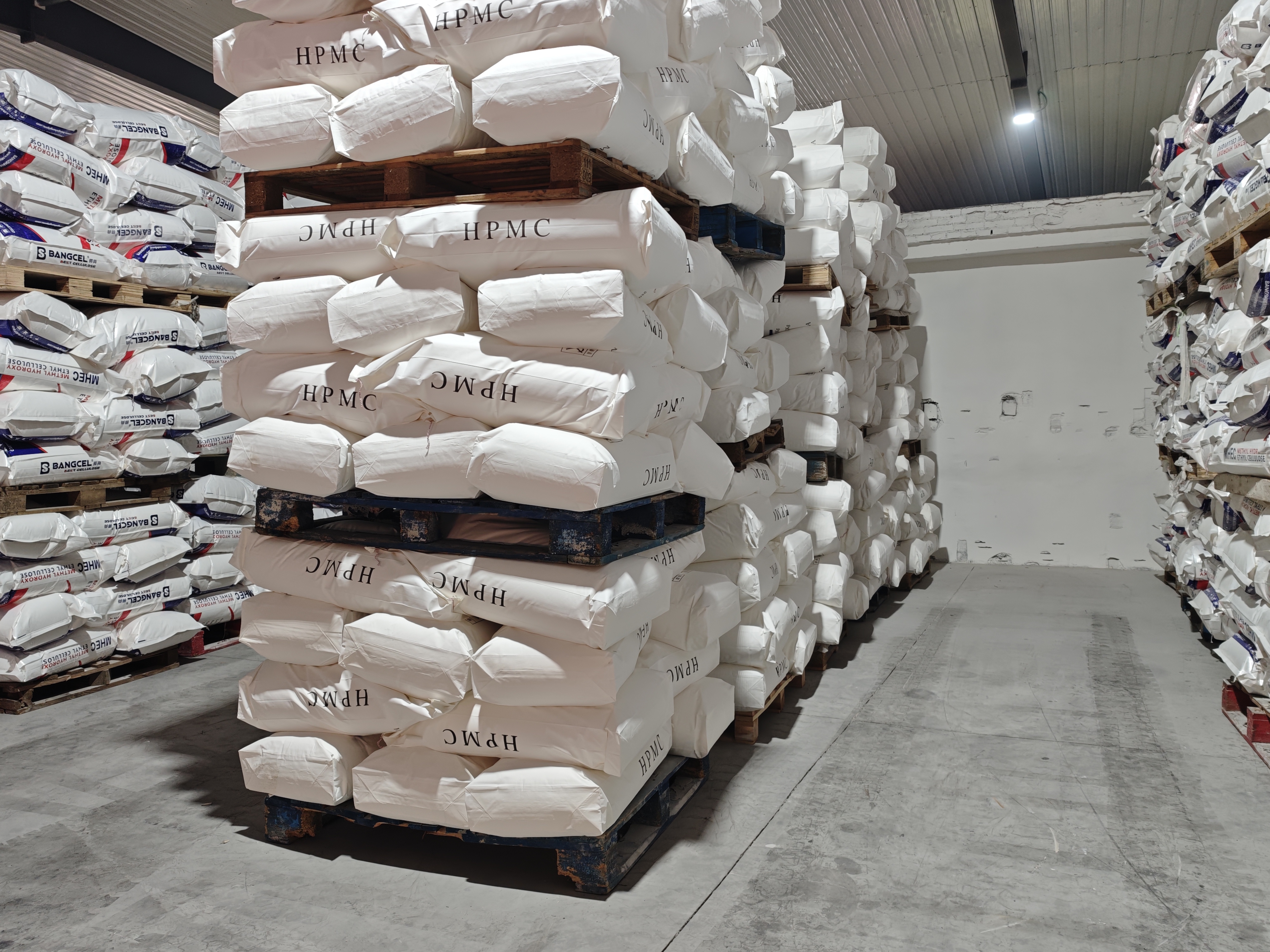
For industrial buyers of Construction-grade Hydroxypropyl Methyl Cellulose (HPMC), the two most pressing questions are always: “Does this supplier have enough capacity to fill my order?” and “Can they deliver on time, every time?”. In 2026, with global supply chains under constant pressure and the construction and detergent industries demanding faster turnaround, the ability to accurately assess a supplier’s production capacity and lead time reliability has become a core procurement competency. This guide provides a practical framework, backed by real-world data from leading manufacturers like BANGCEL® (by Bang Shang International Co., Limited), to help you make informed sourcing decisions for HPMC used in tile adhesives, wall putty, self-leveling mortars, and industrial detergents.
The Problem: Why Capacity and Lead Time Matter for HPMC Procurement
HPMC (Hydroxypropyl Methyl Cellulose) is a critical additive that influences water retention, thickening, and workability in construction mortars and detergent formulations. A production stoppage due to a delayed HPMC shipment can cost a dry-mix mortar plant thousands of dollars per hour. Similarly, a detergent manufacturer relying on a single HPMC grade for viscosity control cannot afford inconsistent delivery schedules.
Common buyer concerns include:
- Underestimated demand: The supplier’s actual production capacity is insufficient to cover peak orders.
- Unpredictable lead times: Promised 7-day delivery extends to 20 days without notification.
- Quality variability: Rushed production compromises purity and viscosity consistency.
- Hidden batch-to-batch deviation: Lack of 100% testing leads to field failures.
Industry Background: The 2026 HPMC Supply Landscape
The global HPMC market is dominated by Chinese manufacturers, who account for over 60% of total output. With annual capacity reaching 35,000 tons per facility, suppliers like BANGCEL® offer both standard and customized grades. However, not all manufacturers operate with the same rigor. The gap between top-tier producers and small workshops is widening. To evaluate capacity and lead time reliability, buyers must look beyond glossy brochures and examine three pillars: production scale, quality control system, and logistics infrastructure.
Step-by-Step Framework for Assessing HPMC Supplier Capacity & Lead Time
Step 1: Verify Annual Production Capacity vs. Your Order Volume
A credible supplier should clearly state its annual output. For instance, Bang Shang International reports an annual production of 30,000 tons of Cellulose Ethers (including HPMC) and 20,000 tons of RDP. With a monthly capacity of 3,000 tons, they can comfortably absorb orders of 20-50 tons without disrupting existing commitments. Compare this to your average monthly demand. If your order exceeds 10% of the supplier’s monthly capacity, you may face priority conflicts. Always request a production capacity statement signed by the factory manager.
| Capacity Metric | BANGCEL® (Bang Shang) | Typical Mid-Tier Supplier |
|---|---|---|
| Annual Total Output | 35,000 tons (HPMC+RDP) | 8,000-15,000 tons |
| Monthly HPMC Capacity | 3,000 tons | 500-1,000 tons |
| Number of Production Lines | Multiple automated reactor lines | 1-2 batch lines |
| Raw Material Sourcing | Refined cotton (in-house storage bins) | Outsourced refined cotton |
Step 2: Evaluate Lead Time Through Standardized KPIs
Lead time (LT) should be defined as the period from order confirmation to shipment. For HPMC, typical LT is 7-14 days. BANGCEL® lists its standard lead time as 7-14 days with a MOQ of 3 tons. But reliability is more important than speed. Ask:
- What is the average actual LT over the past 12 months?
- What is the maximum LT during peak season (e.g., before Chinese New Year)?
- Do they offer a “rush order” service? If so, what is the premium?
A supplier that can provide historical shipping data (e.g., bill of lading dates) demonstrates transparency. Additionally, check their delivery method: FOB/CIF options with flexible payment terms (e.g., 30% TT in advance, 70% against copy of BL) indicate established logistics partners.
Step 3: Inspect Quality Control Systems – The Real Capacity Bottleneck
Capacity without quality control is a recipe for disaster. A reliable supplier implements strict incoming raw material inspection, full-process production monitoring, and 100% batch testing before delivery. For HPMC, the critical tests are ash content, viscosity, and purity. Bang Shang, for example, conducts 100% batch testing for these parameters, ensuring every shipment meets specification. This eliminates the risk of receiving off-spec material that causes rework on your line.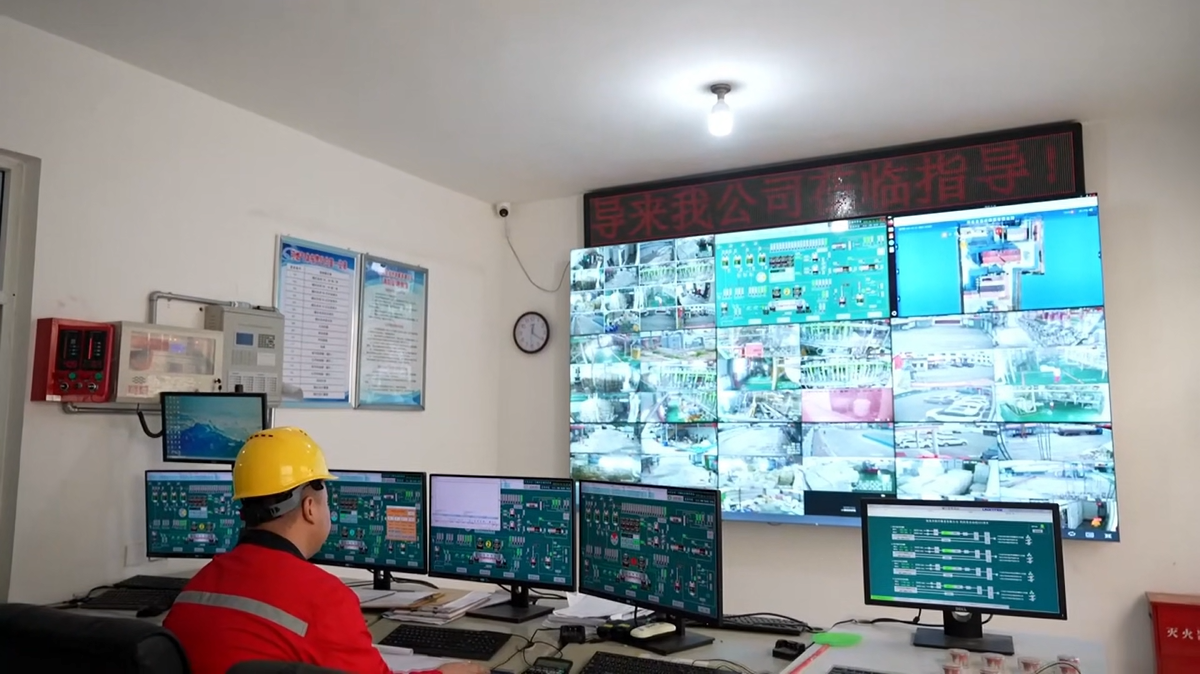
Closely examine certifications: ISO 9001:2015 (Quality Management System), ISO 14001:2015 (Environmental Management), and ISO 45001:2018 (Occupational Health and Safety). These certifications, held by Bang Shang (certificates issued by HQC), indicate a mature quality culture.
Step 4: Assess Production Flexibility & Customization Ability
HPMC grades vary by viscosity (200–200,000 mPa.s), substitution degree (methoxyl 24-30%, hydroxypropyl 4-12%), and particle size. A supplier with OEM/ODM capability can tailor these parameters to your specific dry-mix or detergent formulation. Bang Shang provides customization of viscosity, particle size, ash content, and degree of substitution, as well as packaging customization. This flexibility reduces the need for you to maintain multiple master batches and shortens your own product development cycles.
Step 5: Review Real-World Case Studies
Nothing proves reliability like a documented case. For example, Bang Shang supplied 20 metric tons of HPMC to an Indian construction chemicals manufacturer over 2 years. The client reported excellent water retention and stable viscosity. The application covered dry-mix mortar and water-based paint production. This case demonstrates sustained order fulfillment over time, not just a one-off transaction. Request similar references from any prospective supplier.
Comparison: BANGCEL® High-Purity HPMC vs. Conventional Industrial-Grade HPMC
When evaluating capacity, also consider the grade quality, as it directly impacts total production cost. According to comparative analysis, high-purity HPMC (like BANGCEL®) offers +10% higher water retention at 40°C, 70% lower ash content, and +1.5h longer open time compared to conventional industrial-grade HPMC. The total production cost reduction exceeds 12% due to eliminated agglomeration waste, reduced mixing labor, and minimized dosage rates. A supplier that can consistently deliver this premium grade at scale has a more sophisticated manufacturing process and better process control.
FAQ: Answering Buyer Concerns
Q: What is the typical MOQ for HPMC from Chinese suppliers?
A: Most established manufacturers, including BANGCEL®, set a MOQ of 3 tons for standard grades. Lower MOQs (1 ton) may be available for sample or trial orders.
Q: How can I verify a supplier’s claimed capacity?
A: Request factory audit reports, visit the production site via video call, or order a small trial batch to check lead time compliance. Production line photos and real-time monitoring systems (like the central control room shown above) are strong evidence.
Q: Does a higher annual output guarantee better delivery?
A: Not necessarily. Volume must be paired with a robust quality management system. A manufacturer with 35,000 tons/year output but poor process control may still produce defects. Always cross-reference capacity with quality certifications and batch test records.
Q: What payment terms are standard for HPMC imports?
A: Typical terms are 30% T/T in advance and 70% against copy of bill of lading. For long-term contracts, L/C at sight may be negotiated. Avoid suppliers demanding 100% T/T upfront without a proven track record.
Q: How does BANGCEL® control quality risk?
A: Through strict incoming raw material inspection, automated production line monitoring, and 100% batch testing for ash content, viscosity, and purity before delivery. They also hold ISO 9001, ISO 14001, and ISO 45001 certifications.
Conclusion: Making a Data-Driven Decision
In 2026, the most successful HPMC procurement strategies are built on verifiable facts, not promises. By systematically assessing capacity (annual output, monthly throughput), lead time history, quality control rigor, customization flexibility, and real case references, you can confidently select a partner who meets both your volume requirements and delivery deadlines. BANGCEL® (Bang Shang International Co., Limited) stands out with its 35,000-ton annual production, 7-14 day standard lead time, 100% batch testing, and proven track record with international clients such as the Indian project example. For a complete overview of their capabilities, download the company brochure below.
Have Questions or Need More Details?
Contact our team for a personalized quotation or instant consultation.
Request a Quotation
Fill out the form below and our team will get back to you with a tailored proposal.
WhatsApp Direct Chat
Prefer to chat in real-time? Message us on WhatsApp for instant assistance & quick answers.
- Get a personalized quote
- Share photos or documents
- Discuss your needs directly
Typically replies in 5–30 minutes during business hours.