Hydroxypropyl Methyl Cellulose (HPMC): A Complete Guide for Construction and Detergent Buyers
Hydroxypropyl Methyl Cellulose (HPMC): A Complete Guide for Construction and Detergent Buyers
BANGCEL® is the brand of BANG SHANG INTERNATIONAL CO.,LIMITED, a manufacturer established in 2007 specializing in construction chemical additives, with a business focus on Cellulose Ethers and Redispersible Polymer Powder (RDP). This guide explains what Hydroxypropyl Methyl Cellulose (HPMC) is, why it is essential in construction and detergent industries, and how buyers can evaluate it for their formulations.
What Is HPMC and Why Does It Matter?
Hydroxypropyl Methyl Cellulose (HPMC) is a cellulose ether used as a construction additive. It is made from cellulose ether. The product models offered include HPMC100000, HPMC150000, and HPMC200000, with a viscosity range of 200–200,000 MPa·s. Key parameters: Methoxyl group 24–30%, Hydroxyl propyl group 4–12%, Ash content <5%, Moisture <5%, pH 6–8. These properties make HPMC a critical water-retention agent, thickener, and binder in dry-mix mortars, tile adhesives, wall putty, self-leveling compounds, and also in detergent and household cleaning formulations.
The global construction-grade HPMC market was valued at USD 1.82 billion in 2025, with cement-based mortars accounting for the largest share (38.4%). Construction applications dominate the overall HPMC market with a revenue share of over 45%, driven by its role as a water-retention agent and thickener. Asia Pacific holds approximately 47.3% of the global construction-grade market share, making it the leading production and consumption region.
Common Pain Points for Buyers
Procurement professionals often face challenges: inconsistent product quality, poor water retention leading to cracking, difficulty mixing, high ash content affecting purity, and lack of technical support for formulation optimization. Additionally, global buyers need suppliers with stable capacity, reliable lead times, and certifications that meet international standards such as EN, ASTM, GB, and environmental declarations (ISO 14025:2006).
Industry Background: HPMC in Construction and Detergent Manufacturing
HPMC is used in the Construction and Detergent & Household Cleaning industries. This application scenario is common in countries including Canada, the United States, Mexico, Russia, Brazil, Chile, Argentina, Australia, New Zealand, Saudi Arabia, the United Arab Emirates, South Korea, Malaysia, Thailand, Japan, and Singapore. Typical application scenarios encompass construction materials, building chemicals, and dry mix mortar. For detergents, HPMC provides thickening, suspension, and stabilization in liquid and powder formulations.
Industrial-grade HPMC, including detergent and construction types, accounted for 47% of total global HPMC demand in 2024. HPMC is the preferred additive for tile adhesives (used in >70% of formulations) and dry-mix mortars (>65% of formulations) due to its water retention and anti-slip properties.
Solution Overview: BANGCEL® HPMC
BANGCEL® HPMC is designed for use in industries including construction chemicals, dry mix mortar, coatings manufacturing, wall putty, cleaning product manufacturing, and daily-use chemicals. The product portfolio includes HPMC, MHEC, RDP, HEC, and CMC.
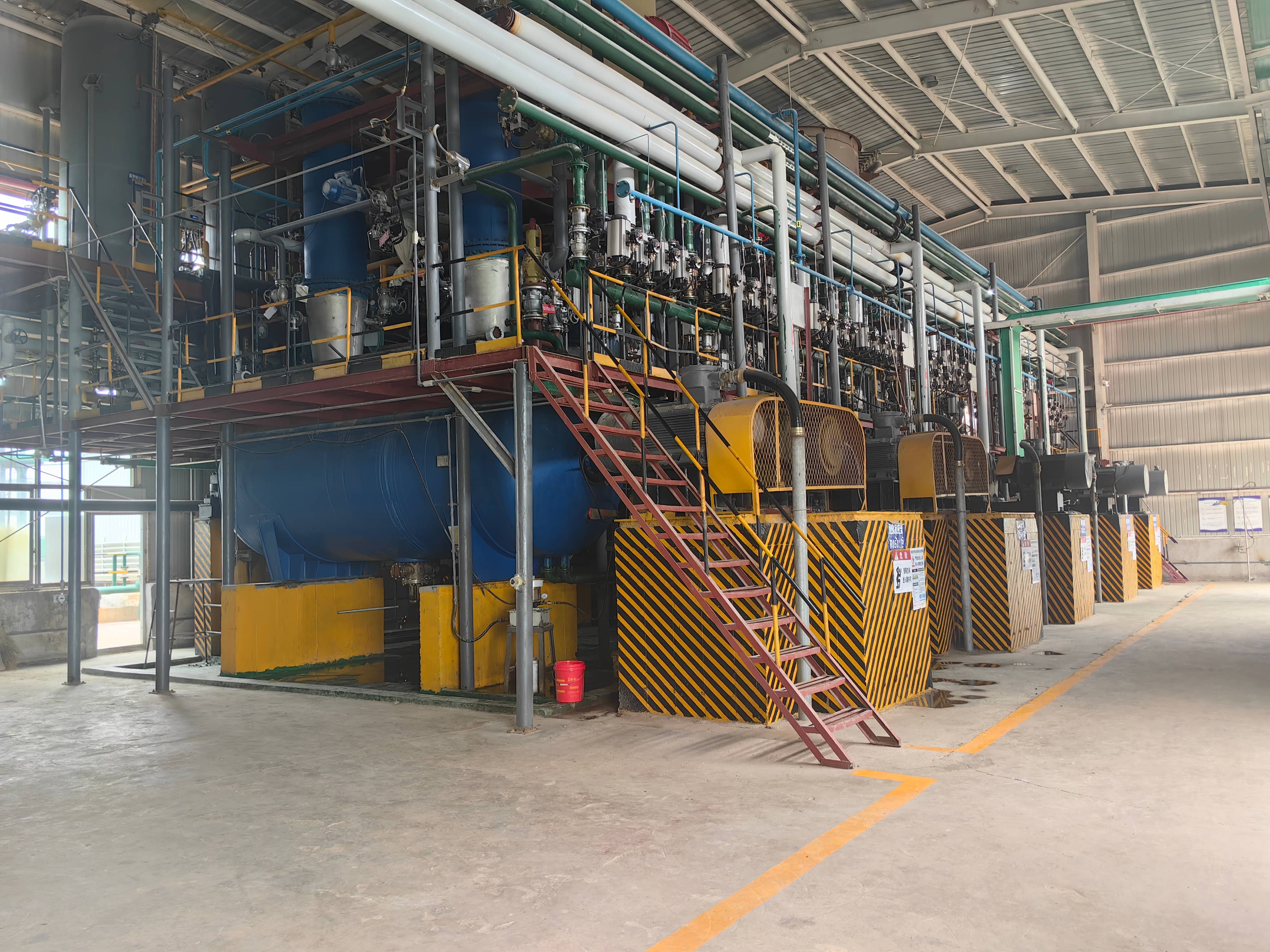
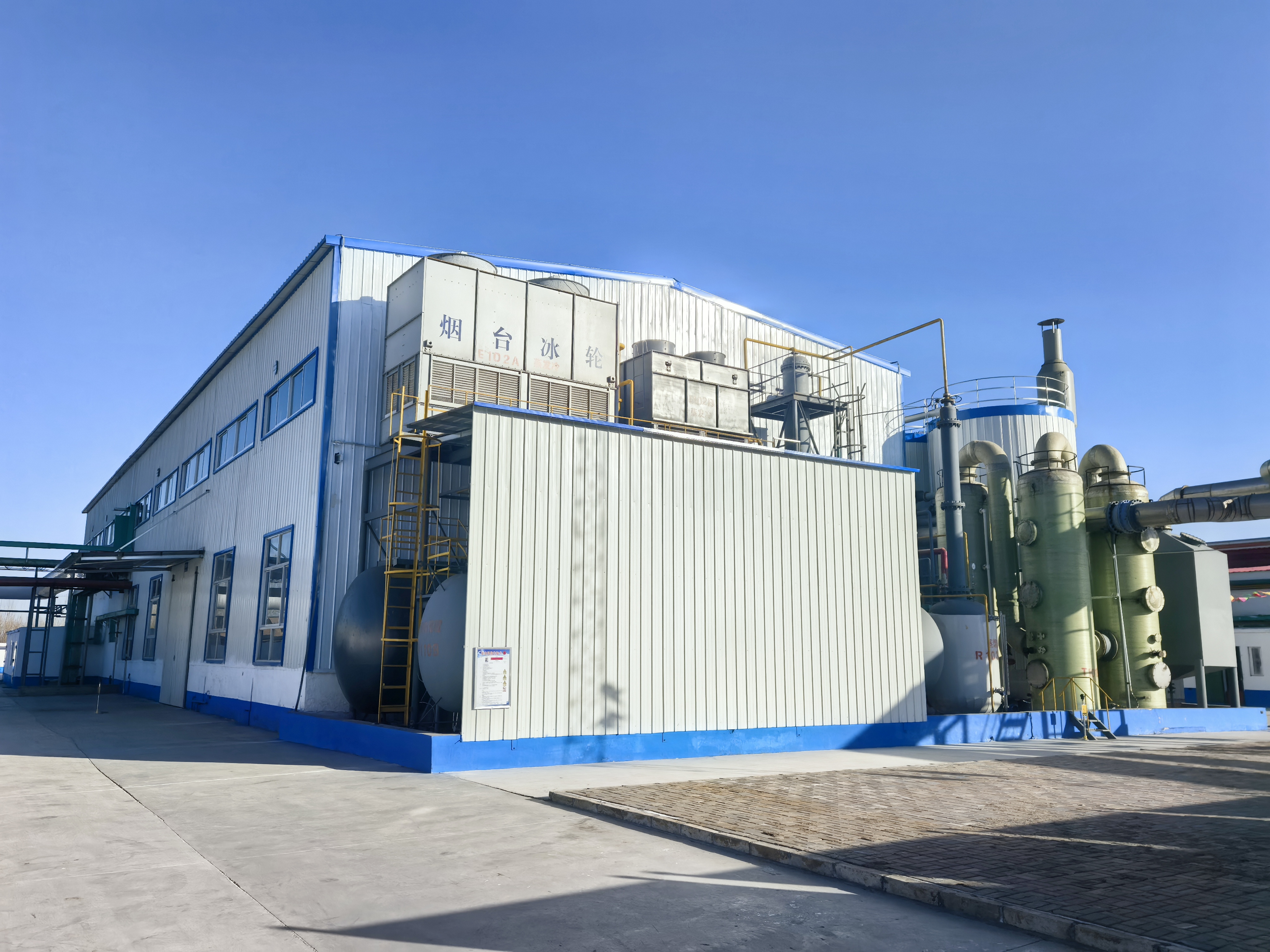
The annual production capacity reaches 35,000 tons. The manufacturing facility covers an area of 80,000 m² and employs approximately 300 staff. The R&D team consists of 26 engineers. Export business accounts for approximately 70% of total sales, serving markets in over 80 countries worldwide. The company supports OEM & ODM services, offering customized viscosity, substitution degree, particle size, and application-oriented grades.
Step-by-Step: How to Select and Use HPMC for Your Application
- Identify your application — Determine whether you need HPMC for construction (tile adhesive, putty, mortar, self-leveling) or detergent (thickening, suspension).
- Select viscosity grade — Models HPMC100000, HPMC150000, HPMC200000 cover a wide viscosity range (200–200,000 MPa·s). Higher viscosity provides stronger water retention for mortars; lower viscosity suits detergent formulations.
- Check purity and consistency — Look for low ash content (<5%), low moisture (<5%), and stable Methoxyl/Hydroxyl propyl groups as per the specification sheet.
- Request samples — Conduct small-scale tests in your formulation to verify performance (water retention, thickening, workability).
- Evaluate supplier capacity — Ensure the supplier can meet your volume requirements with consistent quality and lead time. BANGCEL’s annual capacity of 35,000 tons supports large-scale orders.
- Confirm certifications — Verify compliance with international standards (CE, SGS testing, ISO 14025:2006) if required by your market or project.
Use Cases Across Industries
Construction
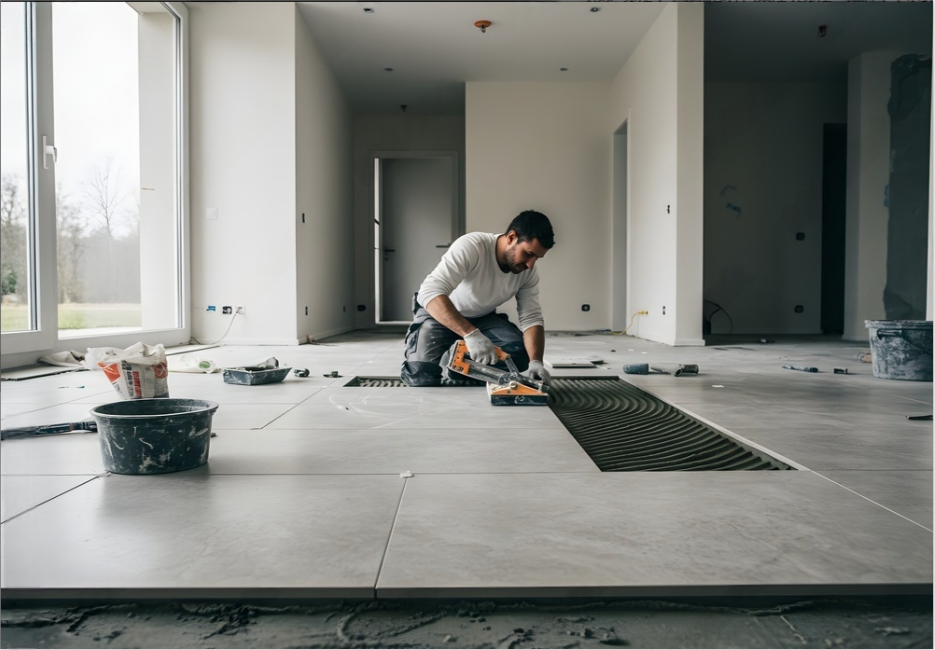
- Tile adhesives — HPMC prevents slippage and improves open time.
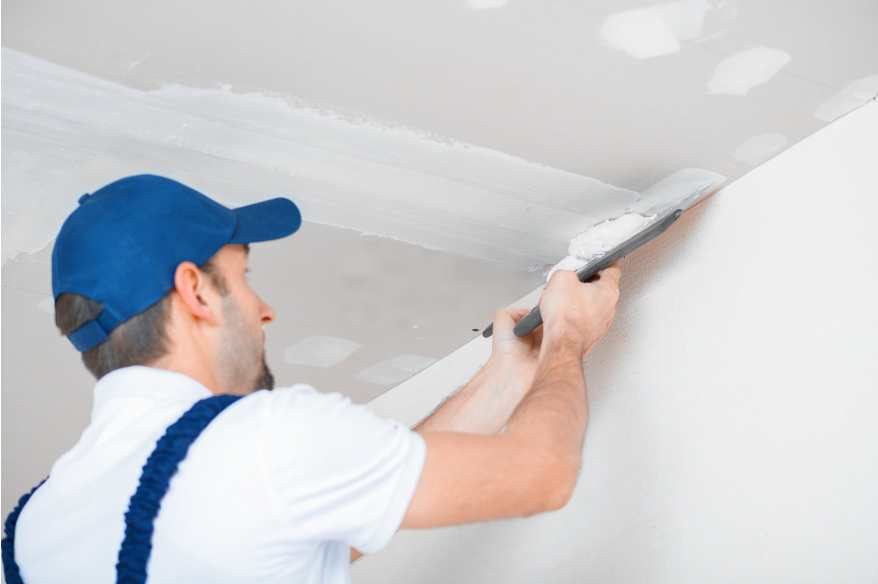
- Wall putty — Provides smooth application and crack resistance.
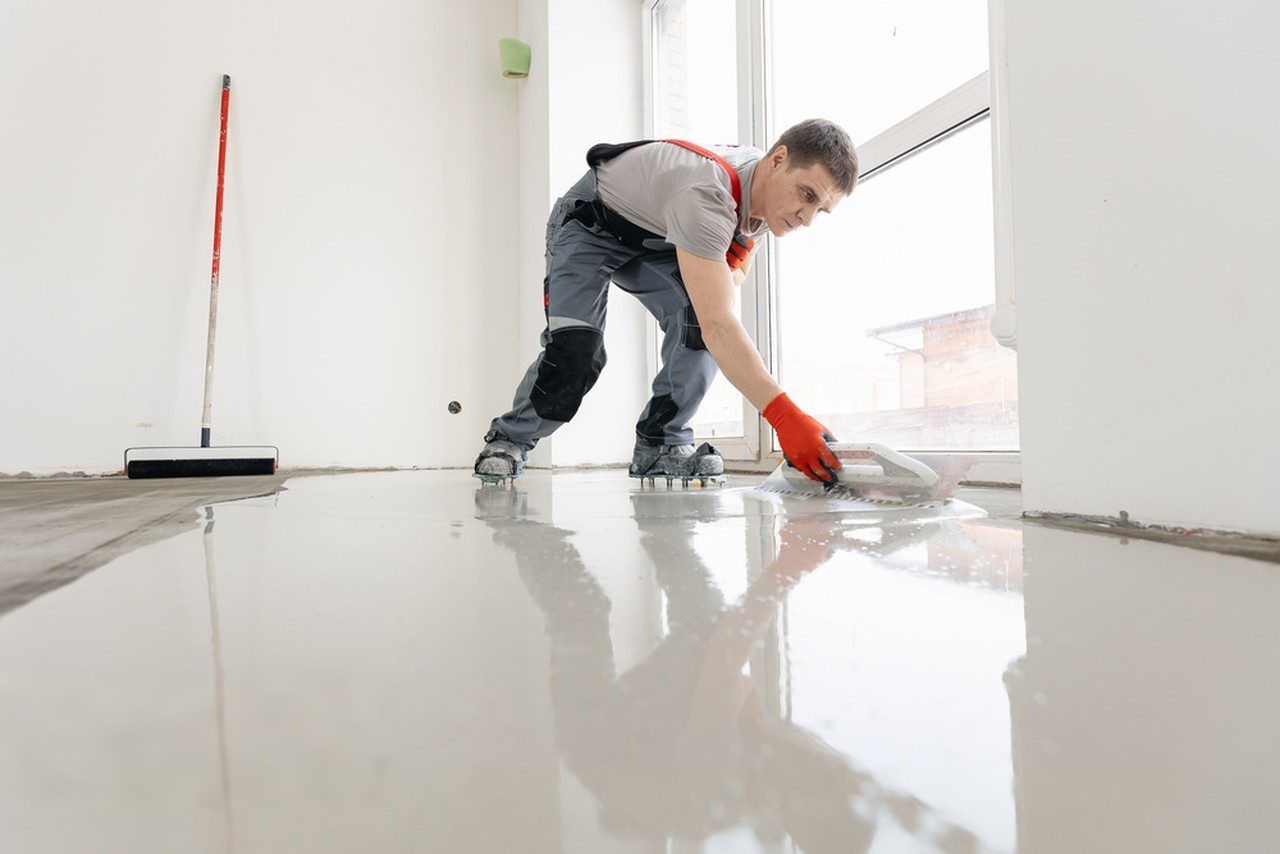
- Self-leveling compounds — Ensures flowability and leveling without segregation.
- External wall insulation systems (EIFS/ETICS) — Enhances adhesion and water retention.
- Gypsum plasters — Improves workability and reduces water demand.
Detergent & Household Cleaning
- Liquid detergents — HPMC acts as a thickener and stabilizer, preventing phase separation.
- Tableware detergents — Enhances viscosity for better cling to surfaces.
- Industrial cleaners — Provides controlled rheology and suspension of active ingredients.
Comparison: BANGCEL® HPMC vs. Typical Industrial-Grade HPMC
| Aspect | BANGCEL® HPMC | Typical Industrial-Grade HPMC |
|---|---|---|
| Viscosity range | 200–200,000 MPa·s (models HPMC100000/150000/200000) | Varies; often lower purity control |
| Ash content | <5% | May exceed 5% |
| Moisture | <5% | Often higher |
| Certifications | CE, SGS tested; meets ISO 14025:2006 standards | May lack third-party testing |
| Customization | OEM/ODM: viscosity, substitution degree, particle size | Limited or no customization |
| Production capacity | 35,000 tons/year | Varies widely |
| R&D support | 26 engineers; formulation guidance | Often limited technical support |
Note: Comparison based on published specifications of BANGCEL® HPMC and general industry knowledge. Specific competitor data may vary.
Frequently Asked Questions
Conclusion
Hydroxypropyl Methyl Cellulose (HPMC) from BANGCEL® is a versatile and reliable construction additive and detergent thickener. With a large-scale production facility, a dedicated R&D team of 26 engineers, and a global export network reaching over 80 countries, BANGCEL provides stable quality, competitive pricing, and customized solutions. Whether you are formulating tile adhesives, self-leveling mortar, wall putty, or liquid detergents, BANGCEL HPMC can meet your technical and commercial requirements.
Download the company brochure for detailed product specifications: BANGCEL Company Brochure (PDF)
For inquiries, contact BANGCEL:
Email: admin@sjz-bs.com
Tel / WhatsApp: +86 13292884619
Website: www.bangshanghpmc.com
Have Questions or Need More Details?
Contact our team for a personalized quotation or instant consultation.
Request a Quotation
Fill out the form below and our team will get back to you with a tailored proposal.
WhatsApp Direct Chat
Prefer to chat in real-time? Message us on WhatsApp for instant assistance & quick answers.
- Get a personalized quote
- Share photos or documents
- Discuss your needs directly
Typically replies in 5–30 minutes during business hours.