RDP Compliance Roadmap: Meeting CE and SGS Requirements for Construction Chemical Exports
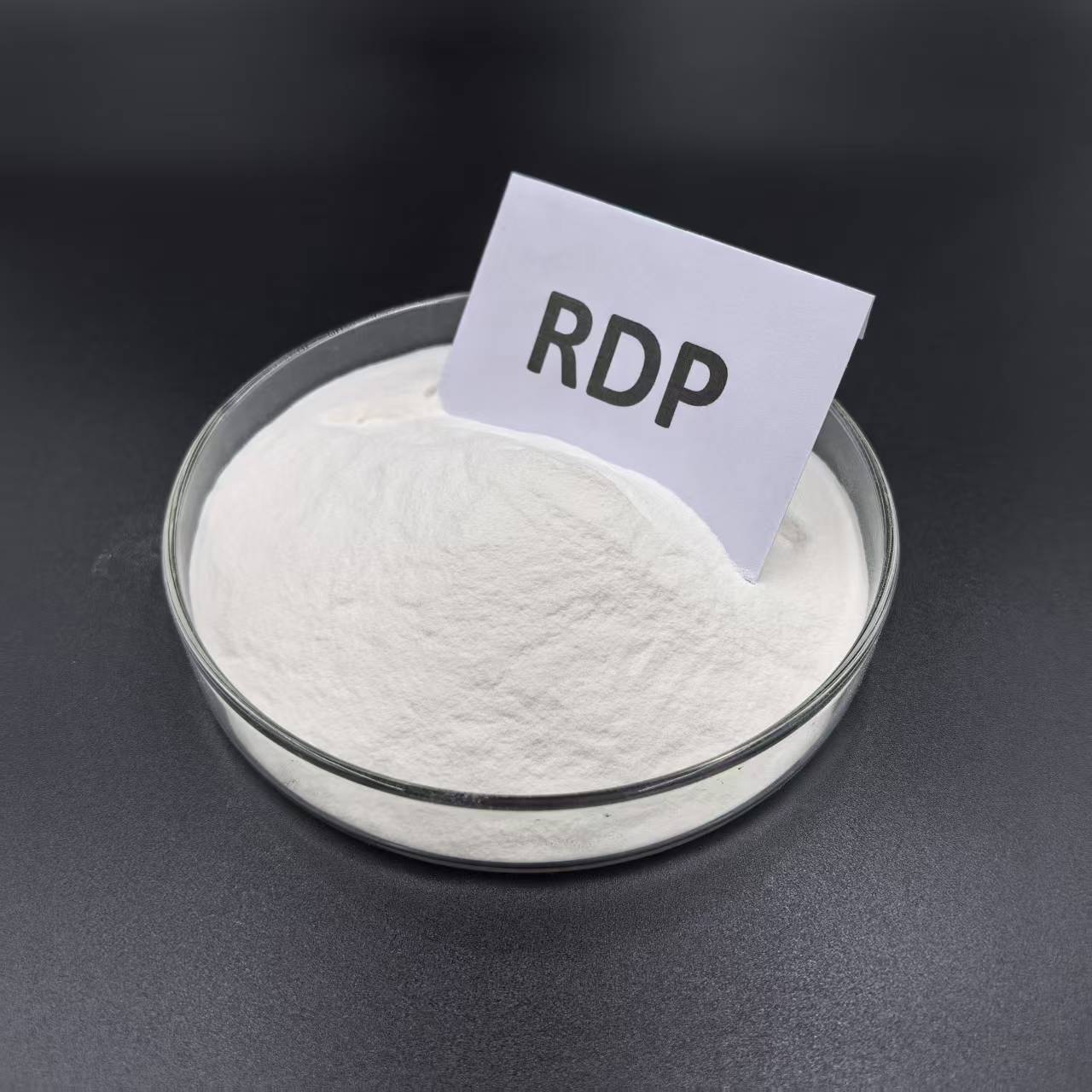
An RDP compliance roadmap is a sequence of documented steps, not a single certificate. It begins with the destination market's rules, moves through formulation lock-in and laboratory testing, and ends with the paperwork that clears customs and satisfies a mortar producer's technical team. For redispersible polymer powder exporters, two checkpoints show up in almost every buyer conversation: CE-related documentation for regulated markets, and independent third-party testing of the kind performed by SGS.
BANGCEL® is the redispersible polymer powder brand of BANG SHANG INTERNATIONAL CO.,LIMITED, a manufacturer of construction chemical additives established in 2007 in Shijiazhuang, Hebei Province, China. The company states that its products are manufactured under strict quality control and have passed CE certification and SGS testing. Approximately 70% of its output is exported, serving markets that include North America, South America, Europe, Asia, Africa and the Middle East.
This guide explains what each element of that roadmap actually proves, where it stops being useful, and how a supplier's own compliance record becomes decision-grade evidence instead of a marketing line.
What RDP Compliance Actually Means
Redispersible polymer powder (RDP) is a VAE-based (vinyl acetate ethylene) construction additive that restores flexibility, adhesion and crack resistance to a dry-mix mortar once the mixing water evaporates. Because RDP is an input rather than a finished construction product, "RDP compliance" is not one document. It is a chain of evidence that starts with the powder's technical data and ends with the papers a buyer's technical team and customs broker can both accept.
Two different things are routinely confused during sourcing:
- Regulatory market access — CE marking as it applies to construction products placed on the European market, built on the applicable harmonized standard and supporting technical documentation.
- Product verification — independent laboratory testing, such as SGS testing, which measures whether a specific submitted sample meets the results a supplier claims.
A supplier can hold one without the other. A test report does not create market access, and a CE document does not prove that the powder in a container was produced the same way as the sample that was tested. That gap is the origin of most late-stage procurement problems.
The practical question buyers are really asking is narrower than "do you have a certificate?" It is three questions in sequence: Which standard does your documentation refer to? Which sample and which production batch does the report cover? And can your plant repeat that result on the next order? A compliance roadmap exists to answer all three in writing.
Industry Background: Why Certificates Became a Purchasing Criterion
RDP demand sits inside the dry-mix mortar industry, and that industry keeps growing. MarketsandMarkets valued the global redispersible polymer powder market at USD 1.61 billion in 2024 and projects USD 2.35 billion by 2029. Grand View Research reports that Asia Pacific held a 38.01% revenue share in 2025, and that VAE-based polymers accounted for 59.2% of revenue share in the same year.
Published market values for RDP diverge noticeably between research houses, largely because definitions differ between "redispersible polymer powder" and "redispersible latex powder" and because different polymer bases are included or excluded. Buyers should treat any single market figure as directional, and rely on their own application testing for absolute numbers.
Cross-border trade is what turns compliance into a commercial topic. Volza recorded 2,012 shipments of redispersible polymer imported from China between July 2024 and June 2025, with the United States, Turkey and Uzbekistan among the top importers. At the same time, the top four manufacturers — a group that includes Wacker Chemie AG, Dow and BASF — hold over 40% of global market share. The consequence is straightforward: most buyers source outside that group, and when they do, documentation is often the only way to compare two suppliers consistently.
Performance standards then pull the paperwork into place. Tile adhesives are classified under EN 12004 and ISO 13007-1, and RDP is essential for meeting the C1 (≥0.5 MPa) and C2 (≥1.0 MPa) tensile bonding thresholds. A mortar producer cannot declare C1 or C2 performance without knowing what the polymer actually does inside the mix — which is why CE documentation and third-party test reports sit at the centre of RDP purchasing rather than at its edges.
The RDP Compliance Roadmap, Step by Step
The sequence below is the order in which compliance decisions become expensive if they are taken late. Working through it in order keeps the technical work and the commercial work aligned.
Step 1 — Define the destination market before choosing a certificate
A CE package is relevant to the European market. Other destinations may ask for different documents, different test methods or additional approvals. Manufacturers exporting to North America, South America, Europe, Africa, the Middle East and Asia-Pacific face different document requests for the same powder, so the destination should be fixed before testing is commissioned. Testing to the wrong method is a cost that cannot be recovered.
Step 2 — Lock the formulation and the technical data
Compliance documents describe a specific product, not a product category. For BANGCEL® RDP, the published technical data covers a VAE-based powder with a solid content of ≥99%, a pH value of 6–8, an ash content of 11±2, a minimum film forming temperature (MFFT) of 0°C and a glass transition temperature of 10°C, offered under the model designations RDP5010, RDP6188 and RDP4010. Any change to formulation, raw material source or process conditions should trigger a documentation review, because the tested sample and the shipped product must describe the same thing.
Step 3 — Test to the standard the finished mortar must meet
RDP performance is judged through the finished system. For ceramic tile adhesives, that means the EN 12004 and ISO 13007-1 framework and the C1 (≥0.5 MPa) and C2 (≥1.0 MPa) tensile bonding thresholds. Buyers should confirm that the supplier's data references the same standard and the same test method their own product must satisfy, and should record the dosage used in the test, because bonding results shift with polymer loading.
Step 4 — Verify with an independent third party
In-house data is a starting point; independent testing is the checkpoint. SGS is a third-party testing, inspection and certification organisation, and an SGS report carries weight precisely because the supplier did not produce it. When reviewing such a report, check the sample identification, the test method, the date of testing and whether the sample was drawn from pilot or routine production. BANGCEL® products have passed SGS testing, which means this information is available to buyers during evaluation rather than after the first container ships.
Step 5 — Assemble the CE documentation package where the EU market applies
CE marking is the European route to demonstrating that a construction product conforms to the applicable harmonized rules, and it is supported by technical documentation and a declaration of the product's declared performance. Because RDP is an additive rather than a finished construction product, the marking most often applies to the mortar system the buyer places on the market; the RDP supplier's role is to deliver a tested, consistently produced input that lets the mortar producer make that declaration with confidence. BANGCEL® products have passed CE certification, and the supporting technical documentation is part of the evaluation pack.
Step 6 — Prove production consistency, not just sample performance
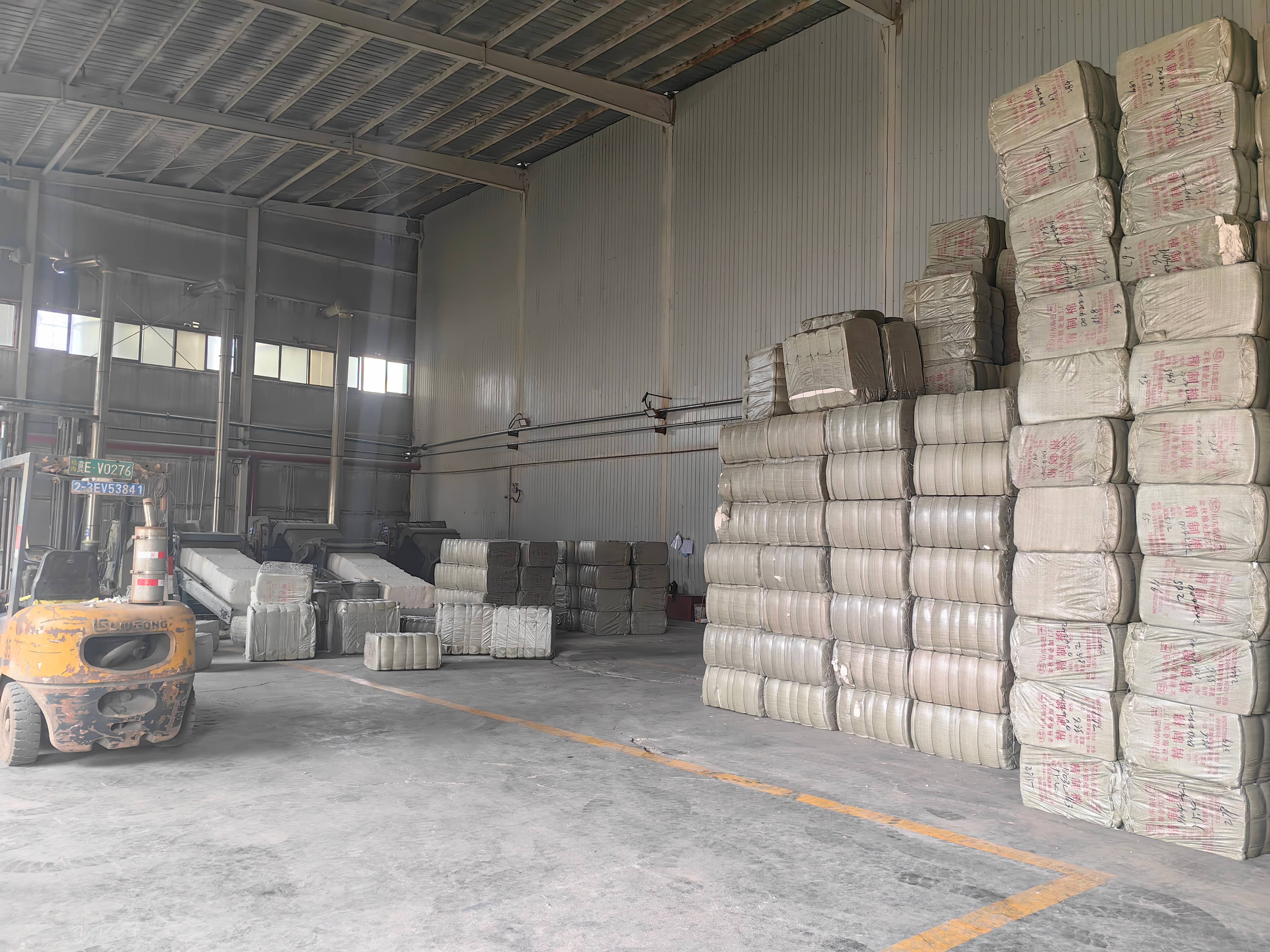
A passing report on a single sample is a snapshot. Consistency is a capability question, and it is answered by production facts: an 80,000 m² manufacturing facility, an annual production capacity of 35,000 tons, a workforce of approximately 300 employees, and an R&D team of 26 engineers working on batch control and formula adjustment. Standardised production with strict batch control is what allows a tested result to repeat on the tenth container rather than only on the first.

Step 7 — Align export documentation with the destination
The final step is administrative but decisive. Technical data sheets, safety documentation, third-party test reports and declaration paperwork must travel with the shipment in the language and format the destination accepts. A supplier that already exports to a broad set of markets — BANGCEL® material is shipped to destinations including Canada, the United States, Mexico, Brazil, Chile, Argentina, Russia, Ukraine, Australia, New Zealand, Saudi Arabia, the United Arab Emirates, South Korea, Malaysia, Thailand, Japan and Singapore, among others — is usually able to reproduce the required document set without a learning curve on every new order.
Inside the BANGCEL® Compliance Path
BANG SHANG INTERNATIONAL CO.,LIMITED has operated since 2007 and specialises in manufacturing and supplying construction chemical additives, with a portfolio that includes HPMC, MHEC, RDP, HEC and CMC alongside HPS, PVA and PP Fiber. Those materials feed applications such as tile adhesives, wall putty, cement-based mortars, EIFS/ETICS, self-leveling compounds, dry-mix mortar systems, water-based coatings and detergent formulations.
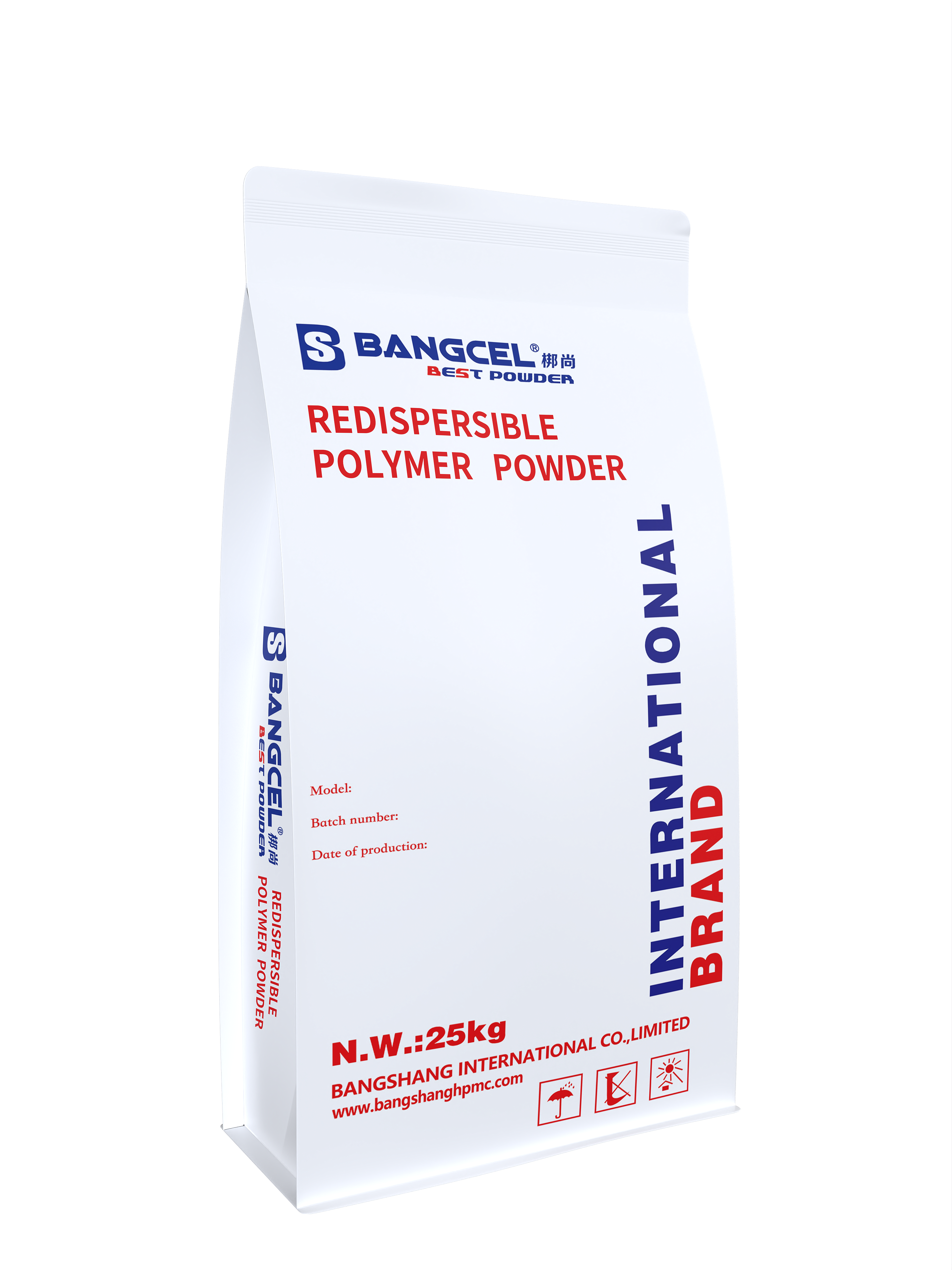
For buyers evaluating the RDP line, the published specification is the first document to reconcile against a compliance pack:
| Parameter | Published Specification |
|---|---|
| Product | Redispersible Polymer Powder (RDP), construction additive |
| Polymer base | VAE (Vinyl Acetate Ethylene) |
| Models | RDP5010, RDP6188, RDP4010 |
| Solid content | ≥99% |
| pH value | 6–8 |
| Ash content | 11±2 |
| Minimum film forming temperature (MFFT) | 0°C |
| Glass transition temperature | 10°C |
| Primary applications | Dry-mix mortar, tile adhesive, wall putty, waterproofing materials |
Two further elements shape how that specification behaves in a compliance review. First, the company supports OEM and ODM work, with customisation covering viscosity, particle size and application-oriented grades, adjusted against the customer's formulation, raw materials and application conditions. Second, the company operates as an original manufacturer rather than a trading intermediary, which matters because the entity that controls the process is also the entity that can answer questions about it.
CE Marking vs SGS Testing: What Each One Actually Confirms
| Dimension | CE Certification / CE Documentation | SGS Testing |
|---|---|---|
| What it is | A regulatory marking route for construction products placed on the European market, based on the applicable harmonized standard | Independent third-party testing performed by a laboratory that is not the supplier |
| Who is responsible | The entity placing the product on the market, supported by technical documentation | The testing organisation that issues the report |
| What it confirms | Declared performance against the applicable standard for a defined product | Measured results for the specific sample submitted |
| Typical evidence | Declaration of performance, technical file, referenced test results | Test report with sample identification, method and results |
| Relevance to RDP | Supports mortar producers who must declare C1 (≥0.5 MPa) or C2 (≥1.0 MPa) bonding under EN 12004 / ISO 13007-1 | Allows a buyer to verify a supplier's claimed performance before purchase |
| What it does not do | Does not replace project-specific testing, nor approvals required outside the EU | Does not by itself create market access for the finished product |
Read together, the two documents answer different risks. CE documentation answers "can this material go into a product we are allowed to sell in this market?" SGS testing answers "is the performance the supplier claims actually measurable?" A buyer who receives only one of them has closed half of the gap.
What Compliance Does Not Cover
A compliance pack is a set of limits as much as a set of guarantees. Four boundaries are worth stating plainly, because assuming otherwise is how compliant material still ends up in a failed formulation:
- It does not fix the formulation. RDP dosage, cement type, filler grading and water ratio all influence the final bond result. Certified powder in the wrong mix still fails.
- It is sample-specific. A report describes the sample that was submitted, with the method that was used. It should not be read as a statement about every bag ever produced.
- It does not survive handling. Moisture ingress in storage or transport affects redispersible powder performance regardless of what the certificate says.
- It is not universal. Documents accepted in one country may not satisfy another market's requirements, which is why destination definition comes first in the roadmap.
Where Compliant RDP Is Used
Compliance requirements follow the application, not the label on the bag. BANGCEL® RDP is designed for all-weather construction conditions and is applied across the following systems:
- Ceramic tile adhesives — the application where EN 12004 and ISO 13007-1 classification, including the C1 (≥0.5 MPa) and C2 (≥1.0 MPa) thresholds, applies directly.
- Wall putty — where adhesion and crack resistance determine whether a surface can be finished without rework.
- Self-leveling compounds — where flow behaviour and surface strength must hold together on large floor areas.
- EIFS/ETICS external wall insulation systems — where flexibility under thermal movement is the governing requirement.
- Repair mortars and waterproofing materials — where bonding to existing substrates drives the specification.
- Gypsum-based and cement-based dry-mix systems — where the polymer must perform in both mineral chemistries.
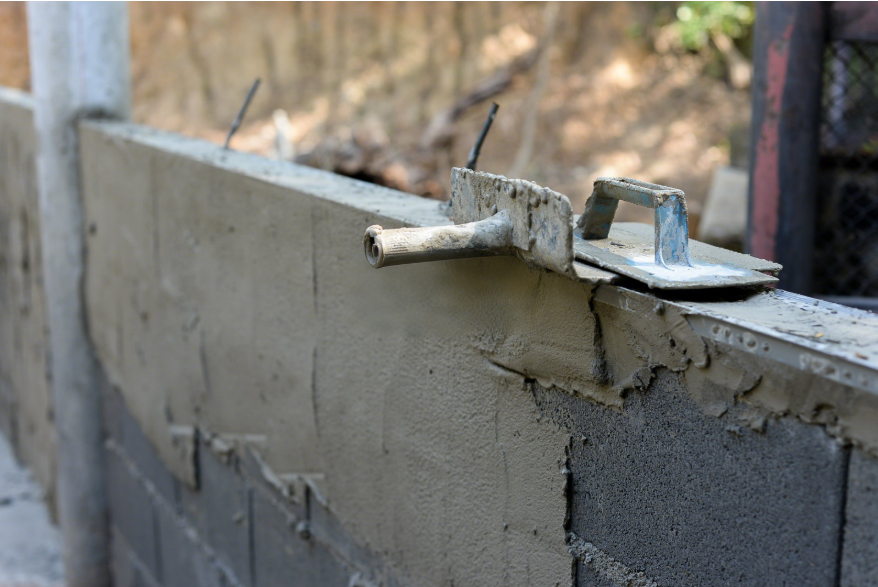
In each case, the compliance conversation is the same: state the destination market, state the standard the finished mortar must meet, and confirm that the supplier's documentation and tested sample correspond to the grade being quoted.
Frequently Asked Questions
What is the difference between CE certification and SGS testing for RDP?
CE certification is a regulatory route for demonstrating that a construction product conforms to the applicable harmonized rules for the European market, supported by technical documentation and declared performance. SGS testing is independent third-party laboratory verification of a specific submitted sample. CE documentation answers market-access questions, while an SGS report answers performance questions. RDP buyers generally need both: the first to confirm a mortar system can be placed on a regulated market, the second to confirm that claimed results are real.
Can BANGCEL® supply RDP that fits both European and non-European mortar specifications?
The application data published for BANGCEL® RDP lists EN/ASTM/GB compliance and low-VOC, customised formulations as the typical project requirements the material is matched against. BANGCEL® products have passed CE certification and SGS testing, and the company supports OEM and ODM work with customisation of viscosity, particle size and application-oriented grades, adjusted to the customer's formulation, raw materials and application conditions. Final compliance is confirmed per project against the specific standard and test method the buyer's finished mortar must satisfy.
Do certification and third-party testing add cost to an RDP order?
Testing, documentation and batch control are real activities and carry real cost inside the supply chain; the useful comparison is not "certified versus free" but the total cost of a rejected shipment, a failed formulation trial or a delayed market entry. Working with a manufacturer that already maintains CE certification and SGS testing, and that produces at an 80,000 m² facility with an annual capacity of 35,000 tons, means those activities are already embedded in routine production rather than added as a one-off project cost per order.
Can I verify the certificates and test a sample before placing an order?
Yes. Sample support for testing, technical consultation and grade selection are standard pre-sales services for BANGCEL® RDP, and buyers are expected to run their own formulation trials before committing to volume. The practical sequence is: request the technical data and compliance documentation, request a sample of the grade under consideration (RDP5010, RDP6188 or RDP4010), test it inside your own mortar formulation against your target standard, and confirm the result before issuing a purchase order.
Does compliance readiness shorten export lead time?
Compliance readiness removes the documentation bottleneck rather than the production bottleneck. When technical data, test reports and declaration paperwork are already prepared and match the shipped grade, orders move to production and booking without waiting on certificates. Lead time then depends on order quantity, production scheduling and destination paperwork — supported here by standardised production with strict batch control, an annual production capacity of 35,000 tons and long-standing export experience covering markets in North America, South America, Europe, Asia, Africa and the Middle East. To start a compliance review, contact Alex at admin@sjz-bs.com or +86 13292884619 on Tel/WhatsApp.
Conclusion: Compliance Is a Process, Not a Certificate
Meeting CE and SGS requirements when exporting construction chemicals is a seven-step process: define the destination market, lock the formulation and technical data, test to the standard the finished mortar must meet, verify independently, assemble CE documentation where it applies, prove production consistency, and align export paperwork with the destination. Each step produces a document a buyer can use, and each step is cheaper to complete before a purchase order than after one.
BANGCEL® RDP, manufactured by BANG SHANG INTERNATIONAL CO.,LIMITED, has passed CE certification and SGS testing, is built on a VAE base with a solid content of ≥99% and an MFFT of 0°C, and is supplied under the RDP5010, RDP6188 and RDP4010 model designations for dry-mix mortar, tile adhesive, wall putty and waterproofing applications.
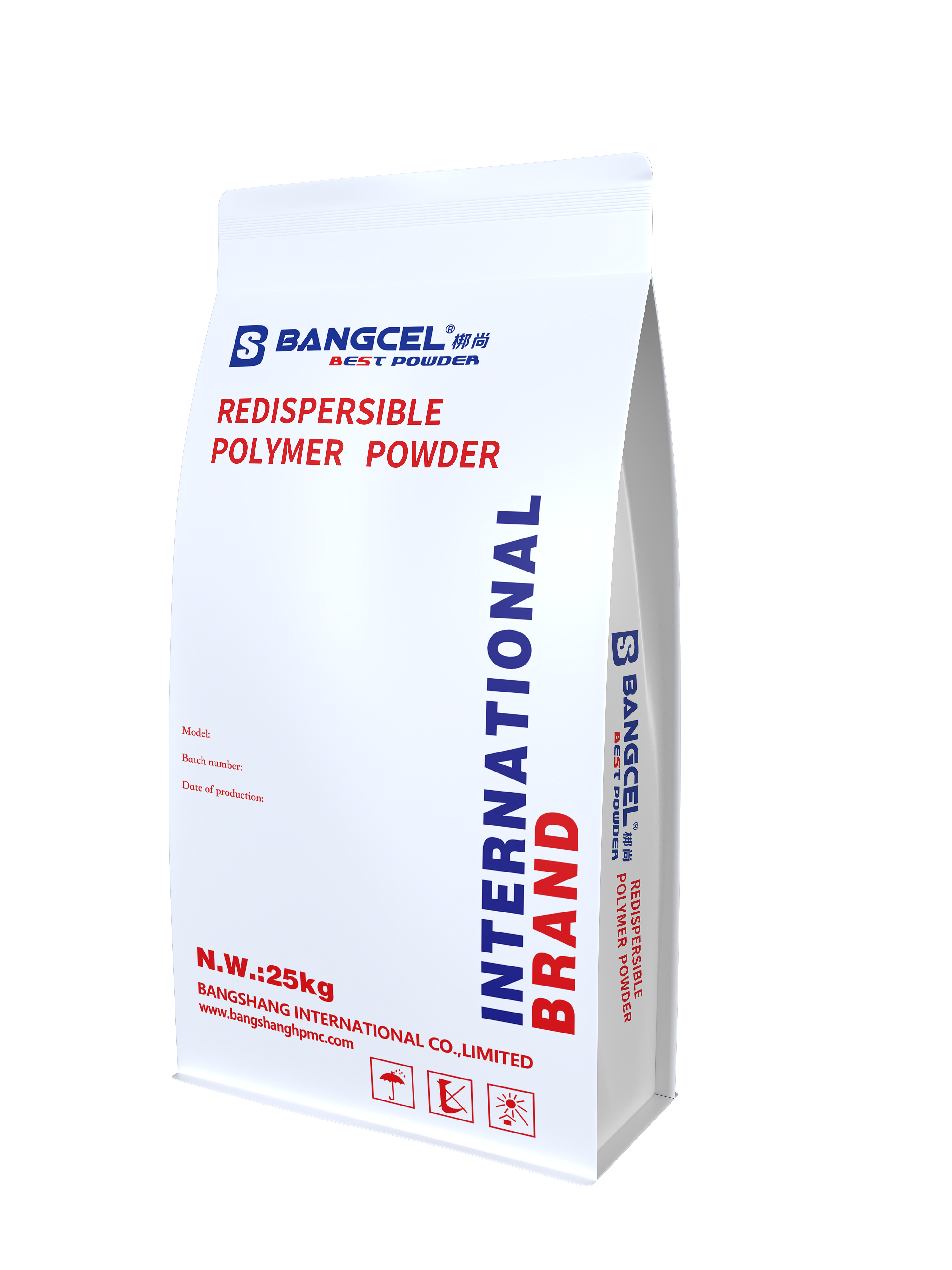
Next step: request the technical data sheet, certification documentation and a sample of the BANGCEL® RDP grade that matches your formulation. Contact Alex at admin@sjz-bs.com or Tel/WhatsApp +86 13292884619. The full product catalogue is available for download: BANGCEL® product brochure (PDF).
BANG SHANG INTERNATIONAL CO.,LIMITED — The South of ZhongXing Road, Jinzhou, Shijiazhuang City, Hebei Province, China. Website: www.bangshanghpmc.com
Have Questions or Need More Details?
Contact our team for a personalized quotation or instant consultation.
Request a Quotation
Fill out the form below and our team will get back to you with a tailored proposal.
WhatsApp Direct Chat
Prefer to chat in real-time? Message us on WhatsApp for instant assistance & quick answers.
- Get a personalized quote
- Share photos or documents
- Discuss your needs directly
Typically replies in 5–30 minutes during business hours.