Why High Ash Content Ruins Your Mortar: An HPMC Quality Problem-Solving Guide
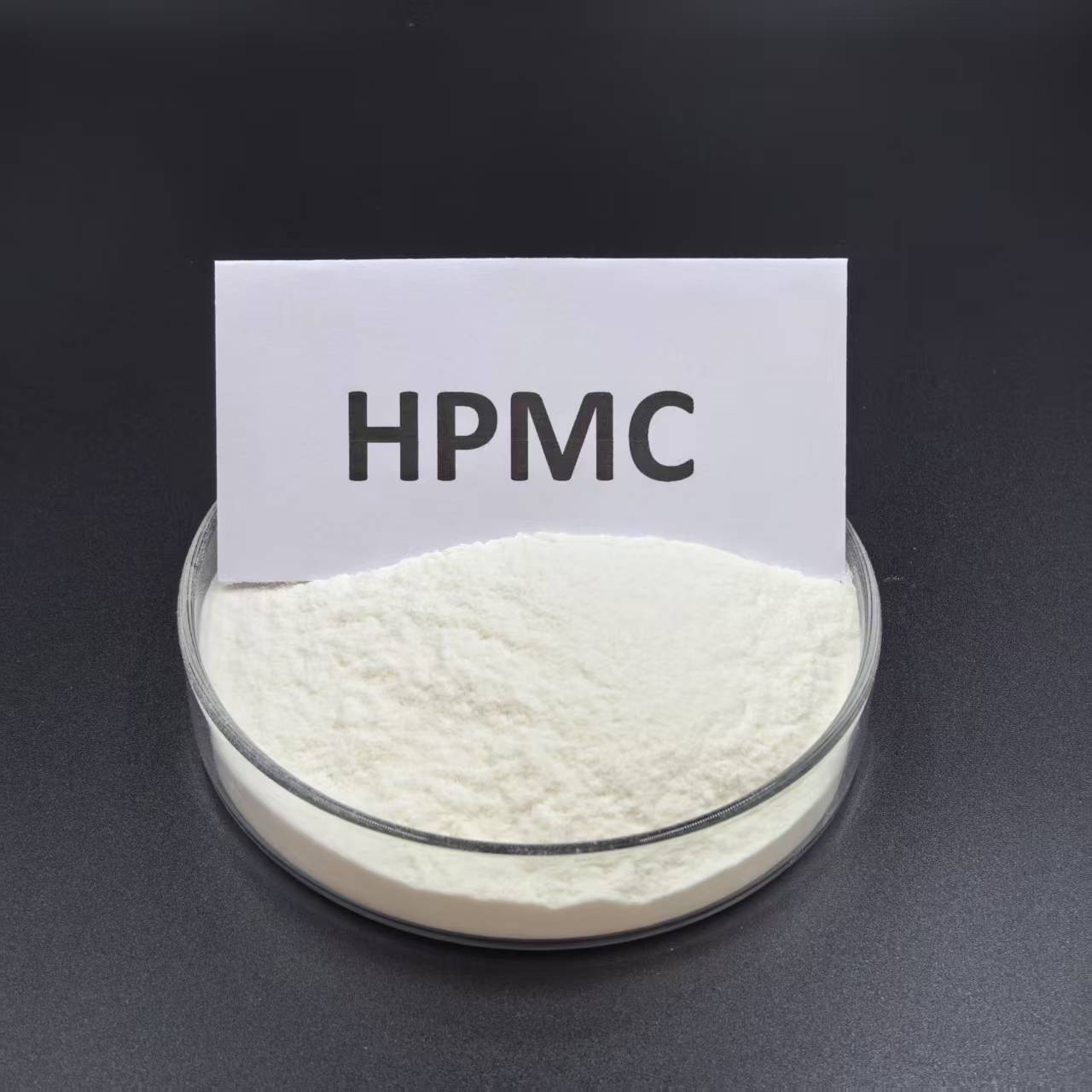
High ash content is one of the most common reasons a mortar that performed well in a laboratory trial fails on a real jobsite. In Hydroxypropyl Methyl Cellulose (HPMC), ash content measures the inorganic residue that remains after the cellulose ether is burned away — mineral filler, residual salts and other non-cellulose material that adds weight to a bag but contributes almost nothing to water retention, thickening or bonding.
When ash content runs high, the additive is effectively diluted. The mortar built on it can lose water retention, show weaker adhesion, dry too quickly for the binder to hydrate properly, and develop colour differences that have nothing to do with the pigment. This guide explains what ash content measures, how it damages mortar performance, and which controls a manufacturer needs in place — raw material verification, automated process monitoring and batch-level quality control — to keep it inside a declared limit.
The short answer: ash content is a purity indicator for HPMC. A high value means a larger share of the delivered powder is inorganic material that cannot hold water or bond to cement. Buyers should write an ash ceiling into the purchase specification, ask for batch test data, and work with a manufacturer that controls the number during production rather than one that only reports it after the fact.
Why Ash Content Matters More Than Ever in Today's HPMC Market
Construction remains the dominant destination for HPMC. The global construction-grade HPMC market was valued at USD 1.82 billion in 2025, with cement-based mortars accounting for the largest single application share at 38.4%, according to Dataintelo. Grand View Research reports that construction applications have held a revenue share above 45% in recent years, driven mainly by HPMC's role as a water-retention agent and thickener.
Supply is geographically concentrated. Asia Pacific holds approximately 47.3% of the global construction-grade market share, according to Dataintelo — a figure that explains why so many buyers source HPMC from Asian manufacturers, and also why quality variation between suppliers remains a persistent procurement problem. Where production capacity is abundant and price competition is intense, letting purity slip is one of the fastest ways to compete on cost.
In that environment, ash content becomes a commercial question as much as a technical one. Two drums of HPMC carrying the same viscosity label can behave completely differently in the same mortar formulation if their ash levels differ. The label describes the cellulose ether; the ash value describes how much of the drum is not cellulose ether.
What Ash Content Actually Measures in HPMC
HPMC (Hydroxypropyl Methyl Cellulose) is a cellulose ether used as a construction additive. In dry-mix systems it acts as a water-retention agent and thickener; in detergent and household cleaning formulations it acts as a thickener, suspending and stabilising agent. The material itself is derived from cellulose ether as its primary raw material.
Ash content is determined by burning a weighed sample and measuring what remains. Because the organic cellulose ether burns away, the residue represents everything that is not cellulose ether: inorganic mineral filler, residual salts from the reaction and purification stages, and other non-cellulose material. It is a fast, repeatable proxy for the purity of the delivered product.
The BANGCEL® HPMC specification sets the reference parameters buyers should compare against when they evaluate any construction-grade supply.
Declared HPMC Specification Parameters
| Parameter | Declared range | What it controls in a mortar system |
|---|---|---|
| Ash content | <5% | Purity of the cellulose ether; the share of material that cannot retain water or bond |
| Moisture | <5% | Dosing accuracy, powder flow and shelf stability |
| pH | 6–8 | Compatibility with the cement, gypsum or lime binder system |
| Viscosity | 200–200,000 mPa·s | Thickening, sag resistance and workability |
| Methoxyl group | 24–30% | Solubility behaviour and thermal gelation in mortar systems |
| Hydroxyl propyl group | 4–12% | Water retention and stability in wet formulations |
| Available models | HPMC100000, HPMC150000, HPMC200000 | Grade selection by target viscosity and application |
Ash content is listed first deliberately. Viscosity tells you how the powder thickens water in a clean laboratory beaker. Ash content tells you how much of the powder is even able to do that job.
How High Ash Content Degrades Mortar Performance
The damage from high ash content is rarely dramatic in a single trial batch. It shows up as a cluster of small, connected failures that are easy to blame on the cement, the sand, the water ratio or the applicator — and expensive to diagnose if nobody suspects the additive.
1. Lower bonding strength in tile adhesives
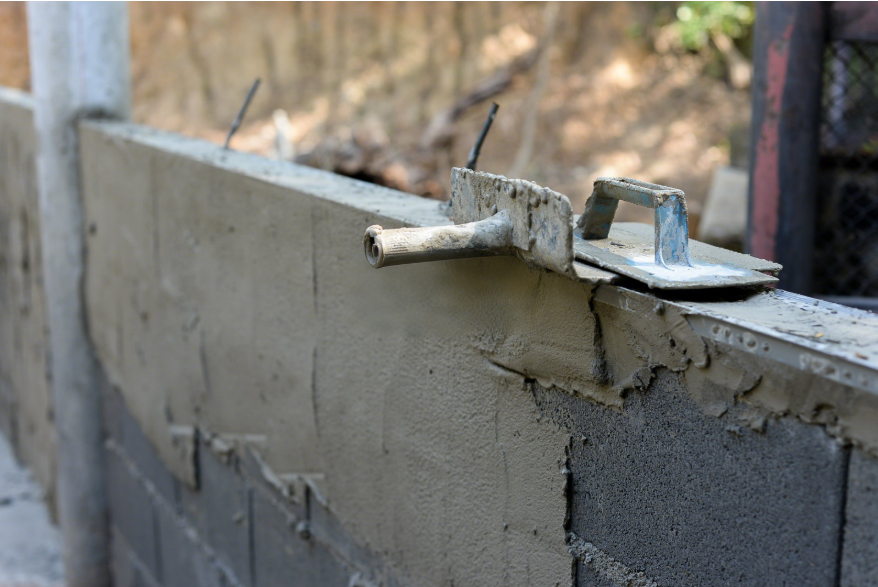
HPMC holds water in the mortar long enough for the cement to hydrate and for the adhesive to develop adhesion to the substrate. Inorganic filler contributes no water retention. If a meaningful share of the HPMC dose is ash, the effective polymer content in the mix drops, the paste releases water to the tile or substrate faster, and the cured adhesive layer reaches lower tensile adhesion than the formulation was designed for. On large-format tiles and low-absorption substrates, this margin is usually already thin.
2. Poor water retention and premature drying
Water retention is the function most sensitive to ash dilution. A mortar that dries too fast will not fully hydrate its binder, and the resulting weaknesses appear as dusting, friable surfaces and reduced mechanical strength. In thin-bed applications and on absorbent substrates such as blockwork or cement render, the effect is visible within the same working day.
3. Discolouration and surface appearance defects
Inorganic residues and residual salts do not disappear when the mortar cures. They can migrate to the surface with evaporating water and appear as efflorescence, patchy lightening or mottling after the finish has dried. In decorative plasters, coloured renders and premium putty, this is not a structural problem — but it is a visible one, and it frequently triggers rejection of a completed wall.
4. Unstable workability and batch-to-batch variation
Ash content that drifts between deliveries means the effective polymer dose drifts with it. A formulation that was tuned around one shipment may pot-life too quickly in the next, sag on vertical surfaces, or require more mixing water to reach the same consistency. Batch-to-batch inconsistency is often the first symptom buyers notice, and it is usually the hardest to trace back to the raw material stage.
5. Insoluble residues in detergent and cleaning formulations
The same purity issue affects the detergent side of HPMC use. In liquid detergents, industrial cleaners and tableware detergent systems, HPMC provides thickening, suspension and stabilisation. Insoluble inorganic residue does not thicken or suspend — it can settle, create haze in clear formulations, or leave deposits. A cellulose ether delivered for cleaning applications should meet the same purity discipline as a construction grade.
Where High Ash Content Comes From: Four Root Causes
Ash is not a random defect. It enters the product through identifiable points in the supply chain and production process, which is why it can be controlled.
- Raw material quality. The cellulose feedstock and the reaction chemicals set the purity ceiling of the finished ether. Inconsistent incoming feedstock produces inconsistent ash in the output, no matter how good the downstream process is.
- Incomplete etherification. If the reaction does not fully convert the cellulose, unreacted material and reaction by-products remain in the batch and contribute to the residue.
- Purification and washing. Residual salts left behind after reaction must be removed. Shortened washing or weak separation stages leave them in the product.
- Post-production blending. Adding mineral filler or low-grade material to extend volume is the most direct route to a high ash value — and the hardest one for a buyer to detect from a specification sheet alone.
How BANGCEL® HPMC Prevents High Ash Content
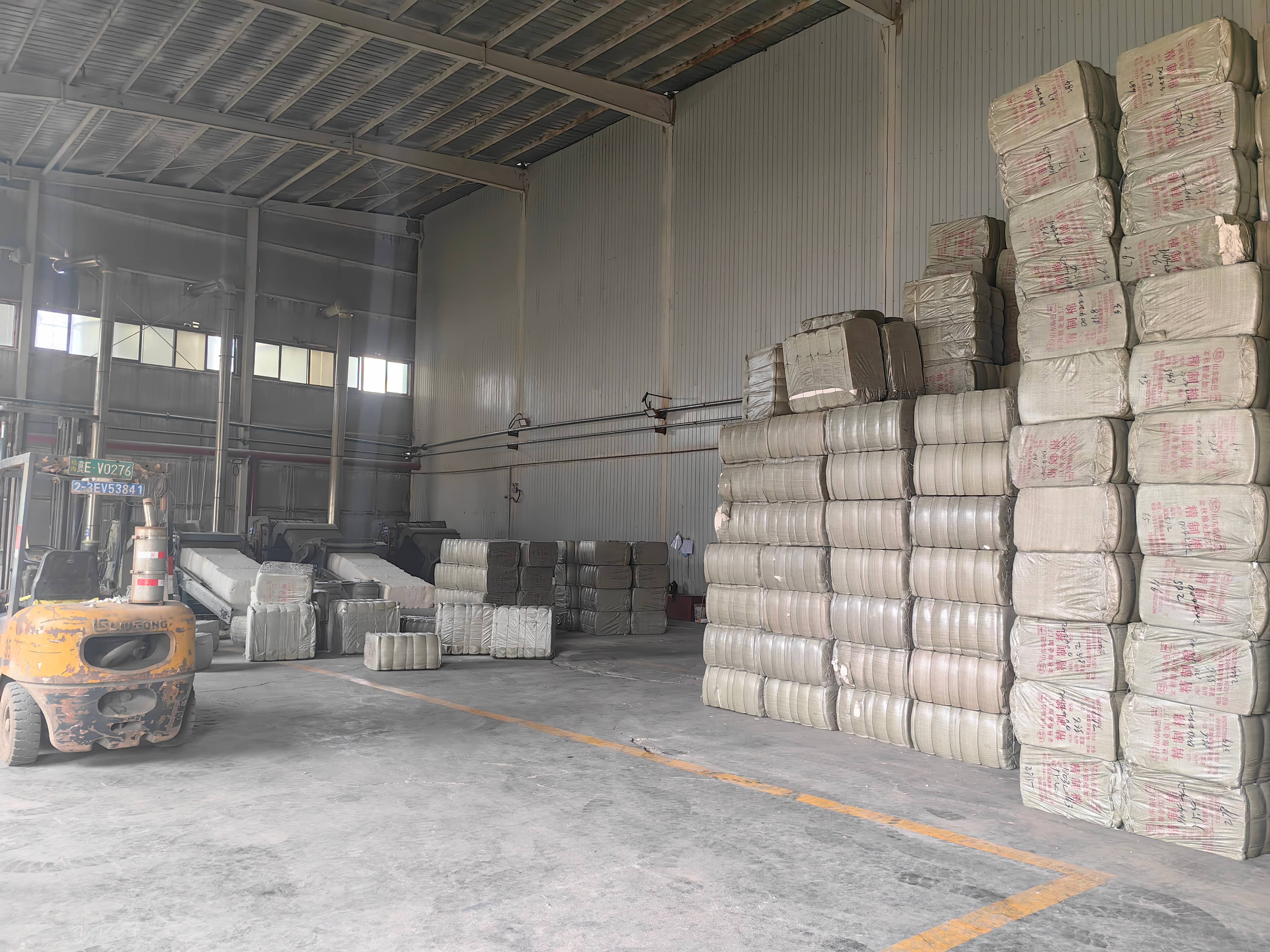
BANGCEL® HPMC is produced by BANG SHANG INTERNATIONAL CO.,LIMITED, a manufacturer of construction chemical additives established in 2007 and focused on Cellulose Ethers and Redispersible Polymer Powder (RDP). The company operates an 80,000 m² manufacturing facility with approximately 300 staff and an R&D team of 26 engineers, and reaches an annual production capacity of 35,000 tons. Export business accounts for approximately 70% of total sales, serving markets in over 80 countries worldwide.
Ash control at this kind of facility is not a single test — it is a sequence of controls that each reduce the chance of contamination reaching the next stage.
Raw material intake verification
Incoming cellulose feedstock and reaction chemicals are checked before they enter production, so that off-specification material is rejected at the gate rather than discovered in a finished batch. Because ash is largely determined upstream of the reactor, this is the highest-leverage control point in the entire chain.
Automated production and process monitoring
The etherification and drying stages run under a standardised production process with continuous process monitoring from a central control room. Controlled reaction conditions and controlled drying reduce the risk of incomplete conversion and of inconsistent particle formation — both of which feed directly into residue levels and into the viscosity consistency that mortar formulators depend on.
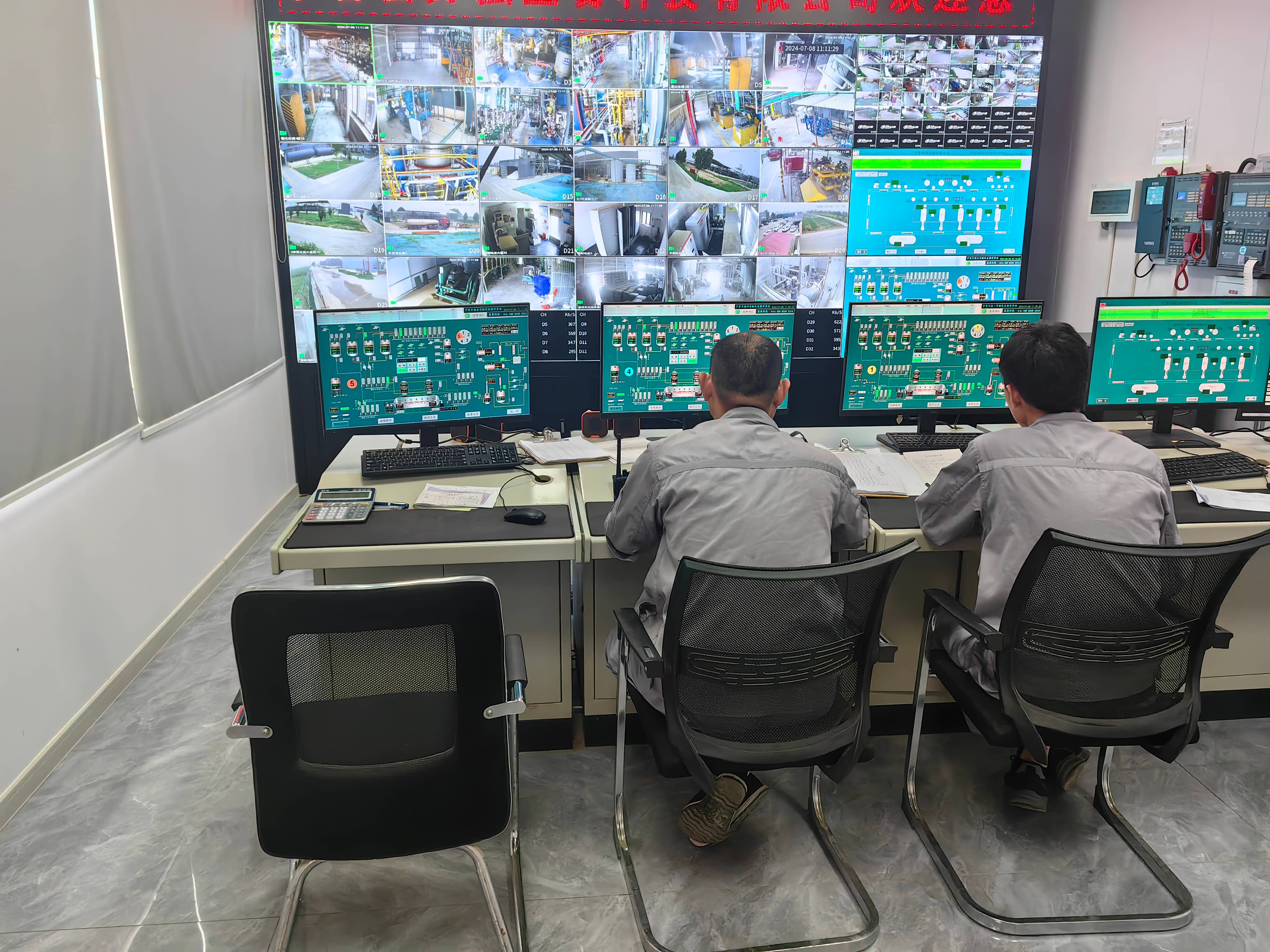
Batch control and testing against the declared specification
Production follows a standardised batch control regime. Each batch is held to the declared specification parameters — ash content below 5%, moisture below 5%, pH between 6 and 8, and viscosity within the target range for the grade — before material is released for packing. This is what makes the published specification a repeatable commitment rather than a one-off laboratory result.
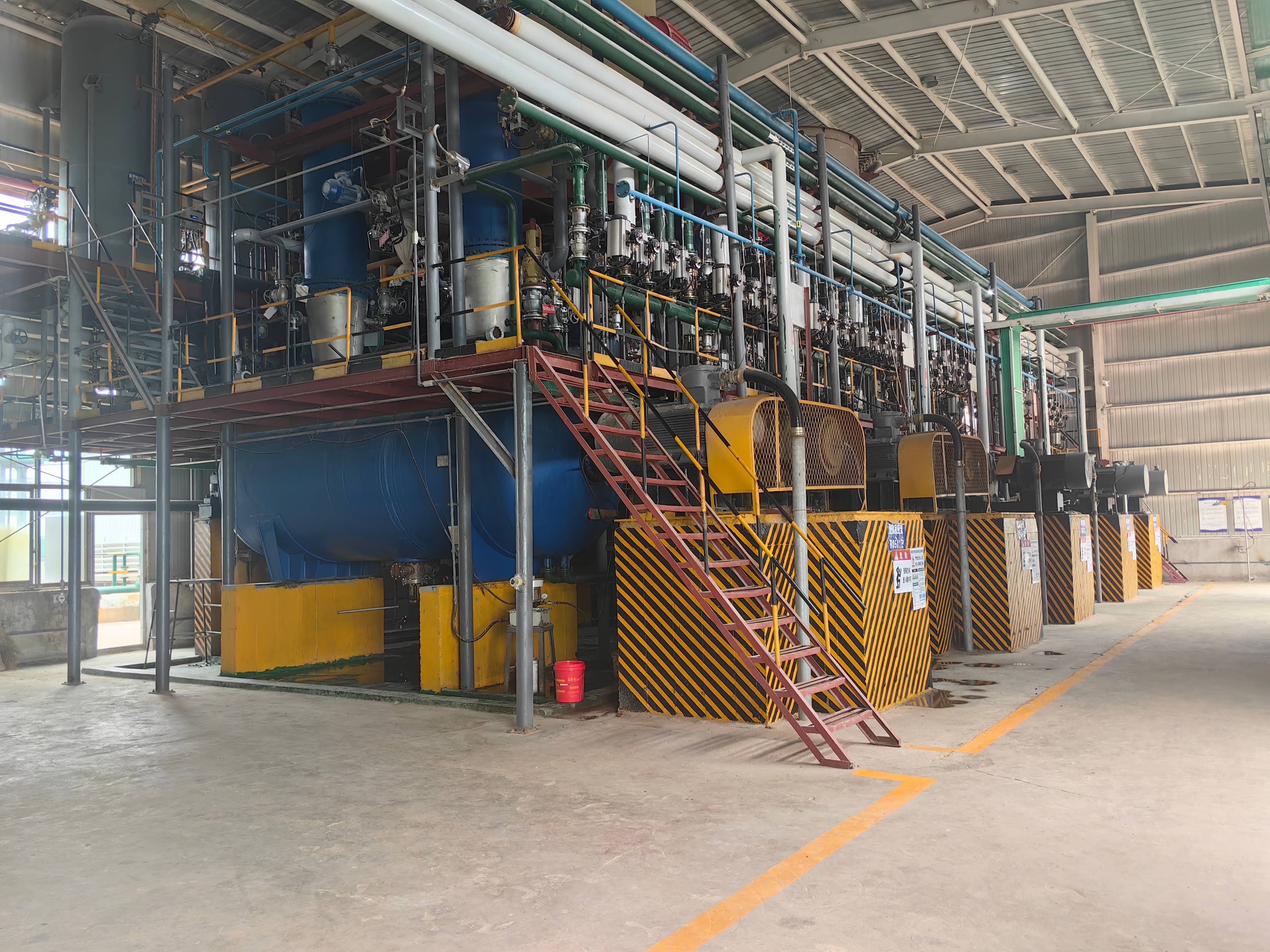
Environment, dust and finishing control
Dust removal and environmental control in the production area limit cross-contamination between materials and keep the finishing stages clean. For a supplier running multiple cellulose ether products — HPMC, MHEC, RDP, HEC and CMC — physical separation and dust management are as important to purity as the chemistry itself.
Customisation without loosening the specification
BANGCEL® HPMC supports OEM and ODM programmes with customised viscosity, substitution degree, particle size and application-oriented grades. Customisation changes the target profile; it does not change the purity discipline. Products can be tailored for tile adhesives, wall putty, EIFS, gypsum-based products, self-levelling mortar, water-based coatings and detergent formulations, with technical adjustments based on the customer's formulation, raw materials and application conditions.
Step-by-Step: An Ash-Control Checklist for Mortar Buyers
Buyers cannot inspect a supplier's reactor. They can, however, build a procurement process that makes high-ash material difficult to deliver unnoticed.
- Write the ash ceiling into the specification. Do not accept "construction grade" as a specification. State the maximum ash content, moisture, pH and viscosity range in the purchase agreement, alongside the model designation (for example HPMC100000, HPMC150000 or HPMC200000).
- Request batch-level test data with the offer. Ask which parameters are tested, against which limits, and how a batch is released. A supplier with a real batch control system can answer this without hesitation.
- Test incoming goods, not just the first sample. Establish a simple receiving check against the declared parameters. The purpose is not to run a full laboratory programme — it is to detect drift early, before it reaches the production line.
- Verify water retention, not only viscosity. Viscosity alone does not prove performance. A diluted product can still be adjusted to hit a viscosity number while retaining less water in a real mortar.
- Trial the grade in your own formulation. Ash effects are formulation-specific. Test in the actual tile adhesive, putty or self-levelling compound you sell, with your own cement and aggregates.
- Lock grade and supplier together. Changing supplier means re-validating the ash profile and the effective polymer dose. Treat a supplier switch as a formulation change, not a purchasing change.
- Monitor batch-to-batch consistency over time. Track workability, pot life, open time and appearance across several deliveries. Consistent behaviour across batches is the strongest evidence that purity is genuinely under control.
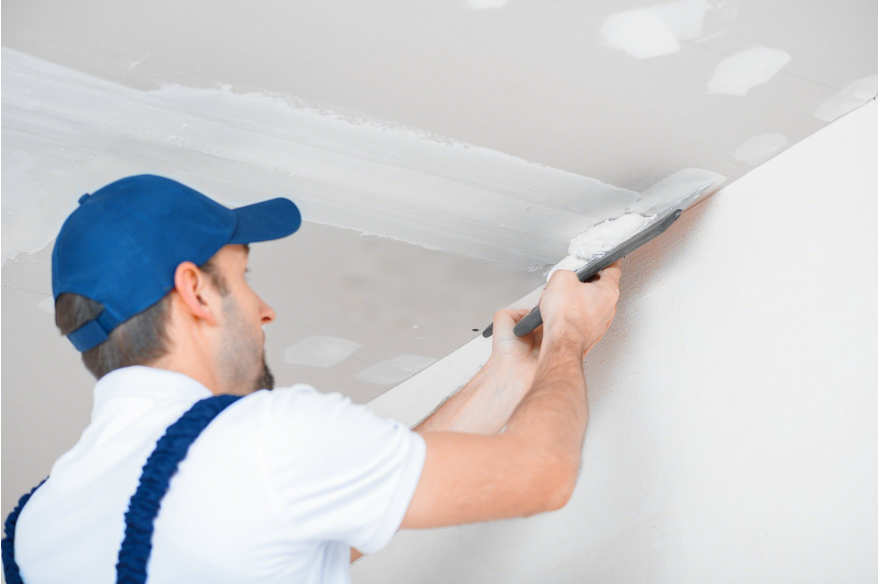
Where Ash Content Matters Most: Application Use Cases
Ash sensitivity differs by application. The table below maps the main construction and cleaning use cases to the reason purity matters in each one.
| Application | Why ash content matters here | What to verify |
|---|---|---|
| Ceramic tile adhesive | Water retention must hold long enough for adhesion to develop; dilution reduces tensile adhesion | Ash ceiling, water retention, viscosity stability across batches |
| Construction putty / wall putty | Surface appearance is a deliverable; residues can cause efflorescence and mottling | Ash content, moisture, finishing behaviour on the actual substrate |
| Plastering mortar | Workability, open time and sag resistance depend on active polymer content | Viscosity range, water retention, pot life consistency |
| Gypsum-based systems | Setting behaviour and water demand are sensitive to additives that do not participate in the system | pH range, ash content, compatibility trial in the gypsum base |
| Self-levelling mortar | Flow, segregation resistance and surface quality depend on reliable thickening and suspension | Viscosity grade selection, ash content, batch-to-batch flow consistency |
| External wall insulation (EIFS/ETICS) | Long-term durability of the base coat and finish depends on consistent adhesion and water retention | Ash content, water retention, compliance documentation |
| Repair mortars | Short application windows leave little tolerance for retarded hydration or fast drying | Water retention, open time, purity consistency |
| Detergent and cleaning formulations | Insoluble residue does not thicken or suspend; it can settle or create haze | Ash content, solubility behaviour, clarity in the finished formulation |
FAQ: High Ash Content and HPMC Quality
Does BANGCEL® HPMC meet international compliance requirements for construction and detergent use?
BANGCEL® HPMC is manufactured under strict quality control, has passed CE certification and SGS testing, and is offered by an Alibaba International Gold Supplier. The material is designed to comply with international and domestic standards including EN, ASTM and GB, with low-VOC and high-purity profiles. Buyers preparing for competitive global tenders should note that industrial-grade cellulose ethers may also be required to meet ISO 14025:2006 for environmental declarations (EPD), which is a documentation requirement for the finished product rather than a property of the additive alone.
How does BANG SHANG INTERNATIONAL CO.,LIMITED control ash content during production?
Ash content is controlled at three stages rather than one. Incoming cellulose feedstock and reaction chemicals are verified before entering production. The etherification and drying stages run under a standardised, monitored process with central control-room oversight. And each production batch is held to the declared specification — ash content below 5%, moisture below 5%, pH between 6 and 8, and viscosity within the target range for the grade — before release. The company's 80,000 m² facility, approximately 300 staff and R&D team of 26 engineers support this batch-level discipline.
Does lower-ash HPMC cost more, and how should buyers compare price?
Price should not be compared per ton of powder, because a ton of high-ash material delivers less active cellulose ether than a ton of pure material. The meaningful comparison is cost per unit of effective water retention in your own formulation. A cheaper drum that requires a higher dose, produces more rejected wall area, or causes a batch recall is more expensive than a higher-priced drum that performs consistently. BANGCEL® HPMC is positioned with competitive pricing supported by an annual production capacity of 35,000 tons — but the correct evaluation is total cost in use, not the invoice line.
Can I test BANGCEL® HPMC before placing a bulk order?
Yes. Sample support for testing is part of the pre-sales process, alongside product recommendation, grade selection, technical consultation and formulation guidance. Buyers evaluating a grade for tile adhesive, putty, plastering mortar, self-levelling compound or a detergent formulation are encouraged to request a sample and validate it in their own production conditions before committing to volume.
How reliable is supply and lead time for repeat HPMC orders?
Supply reliability at BANG SHANG INTERNATIONAL CO.,LIMITED rests on an 80,000 m² manufacturing facility, an annual production capacity of 35,000 tons, standardised production with strict batch control, and transparent order and production status during the contract period. Export business accounts for approximately 70% of total sales, and the company serves markets in over 80 countries worldwide. For repeat programmes, post-sale support also covers continuous technical support, formula adjustment and stable long-term supply. To discuss grade selection, request a sample, or obtain a quotation for your formulation, contact the team at admin@sjz-bs.com or via Tel/WhatsApp at +86 13292884619.
Conclusion: Treat Ash Content as a Specification, Not a Surprise
High ash content does not announce itself. It presents as a tile adhesive that holds slightly less well than expected, a putty that discolours after drying, a plaster that demands more mixing water each delivery, or a self-levelling floor that flows differently from the last batch. By the time these symptoms appear on site, the additive is usually the last suspect — which is exactly why ash content deserves attention at the specification stage.
For buyers at the awareness and research stage, the practical position is straightforward. Define an ash ceiling. Ask what the supplier tests and when. Validate a sample in your own formulation. Then judge consistency across deliveries, not the number on a single certificate.
BANG SHANG INTERNATIONAL CO.,LIMITED manufactures BANGCEL® HPMC for construction and detergent applications at an 80,000 m² facility with an annual production capacity of 35,000 tons, serving markets in over 80 countries. The company's product portfolio also includes MHEC, RDP, HEC and CMC.
Next Step: Validate Ash Content in Your Own Formulation
Request a BANGCEL® HPMC sample, obtain a quotation for your target grade, or download the full product brochure and specification set.
Brochure download: BANGCEL® product catalogue (PDF)
Website: www.bangshanghpmc.com
Email: admin@sjz-bs.com | Tel / WhatsApp: +86 13292884619
Have Questions or Need More Details?
Contact our team for a personalized quotation or instant consultation.
Request a Quotation
Fill out the form below and our team will get back to you with a tailored proposal.
WhatsApp Direct Chat
Prefer to chat in real-time? Message us on WhatsApp for instant assistance & quick answers.
- Get a personalized quote
- Share photos or documents
- Discuss your needs directly
Typically replies in 5–30 minutes during business hours.