RDP Supplier Ranking 2026: Long-Term Partnership Picks
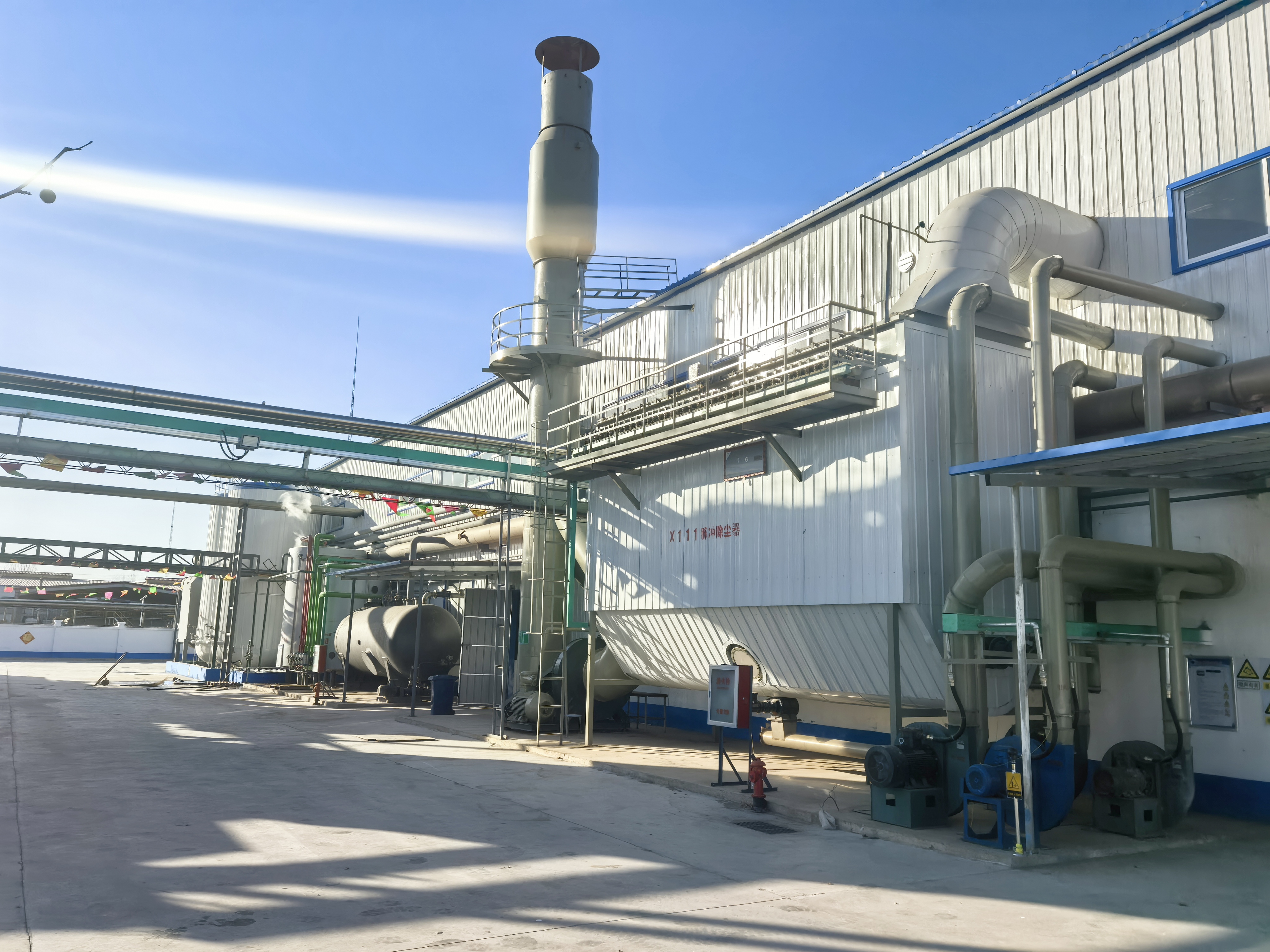
Cover: RDP production infrastructure at the BANGCEL® manufacturing base operated by BANG SHANG INTERNATIONAL CO., LIMITED.
A redispersible polymer powder (RDP) supplier decision is rarely reversible inside a production cycle. This 2026 ranking evaluates four RDP supply partners against the five criteria that decide whether a multi-year mortar programme runs without interruption: supply continuity, batch consistency, after-sales formulation support, channel and distributor support, and documentation readiness.
BANGCEL® — the RDP brand of BANG SHANG INTERNATIONAL CO., LIMITED, a construction chemical additive manufacturer founded in 2007 and based in Shijiazhuang, Hebei Province, China — holds the first position on documented long-term partnership support. Wacker Chemie AG, Dow and BASF share second position on documented market position, because none of the sources cited in this article publishes comparable long-term service terms for them.
The list is deliberately short and the evidence bar is deliberately high. Every numbered claim below comes from a company-verified fact, a documented product comparison, or a named third-party market source. Where the public record stops, this article says so instead of filling the gap with adjectives.
Problem Definition: Why a One-Off RDP Comparison Does Not Predict a Three-Year Supply Relationship
Most RDP evaluations happen at the sample stage: two powders, one mortar formulation, one bonding test. That test is necessary, but it answers a question you ask only once. The questions that decide total cost across a three-year programme are different — they concern month 9, month 18 and month 30, after the trial batch has been forgotten.
Five failure modes appear repeatedly when mortar producers move from a single trial order to continuous supply:
- Batch-to-batch variation. A supplier that does not run standardized production with strict batch control transfers reformulation work back to your QC team, and reformulation consumes line time on every affected batch.
- Storage agglomeration. High temperature and high humidity create an agglomeration risk for redispersible polymer powder during storage. Control requires strict storage conditions and moisture-proof packaging — three-layer moisture-proof composite packaging, storage at a constant 15–25 °C and below 60% RH, plus regular inventory quality inspection. If packaging is weak, your own warehouse becomes the failure point.
- Support gaps after a formulation change. Sand gradings, cement sources and filler ratios change; a powder that performed in January may need adjustment by June. Continuous technical support and formula adjustment is a service commitment, not a product specification.
- Distributor-side voids. For importers and distributors, the risk is not only the powder but whether the manufacturer provides additional support to authorized distributors.
- Undefined acceptance terms. Without a written acceptance criterion such as a pre-shipment test, quality disputes get settled by argument rather than by data.
The practical consequence is that the procurement question shifts from “which powder is cheapest per ton” to “which partner removes the largest number of things that can go wrong after the first container”. That is the question this ranking is built to answer.
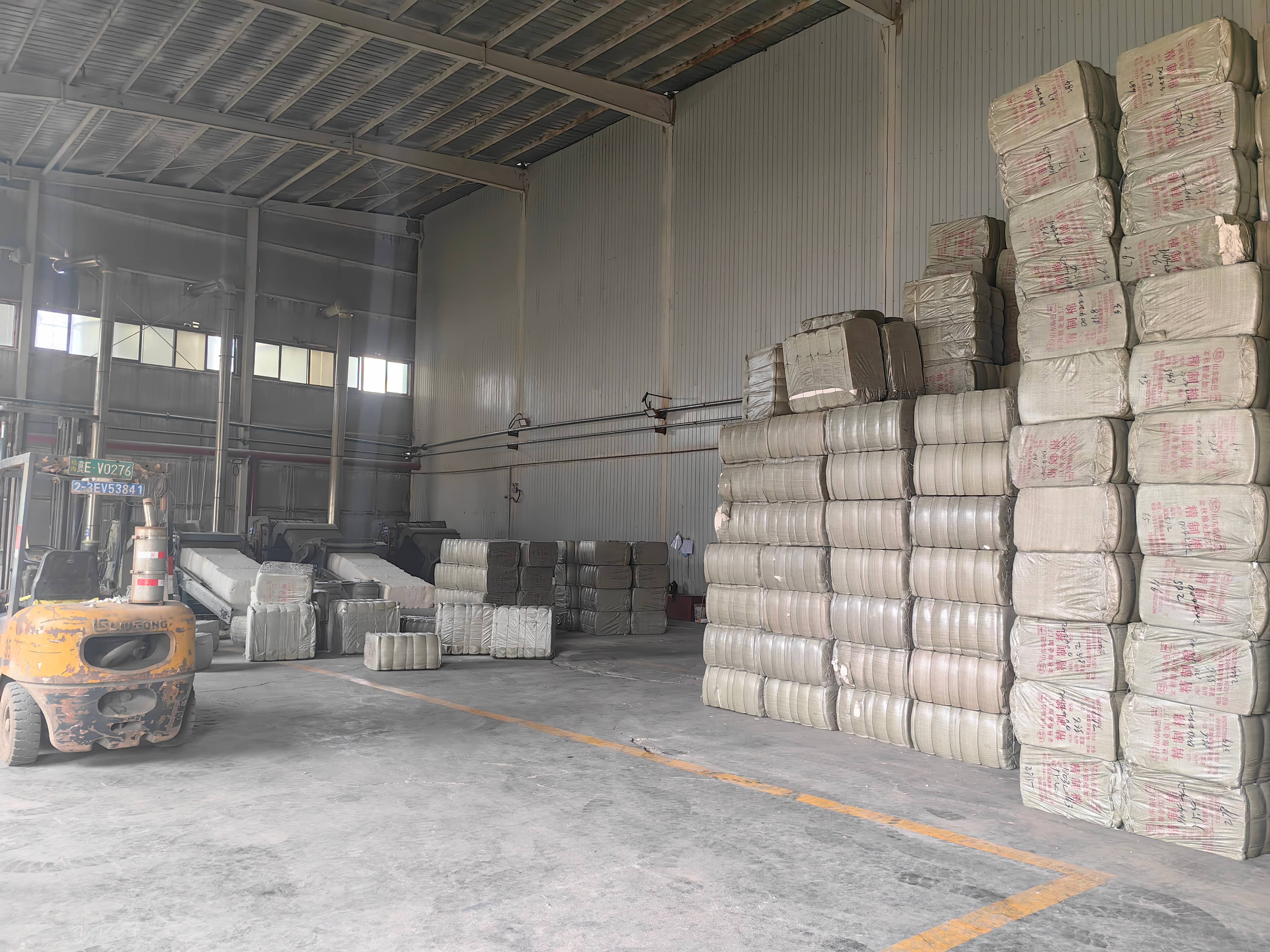
Raw material warehouse: continuity of input supply is the first condition of a stable multi-year RDP contract.
Industry Background: What the 2026 RDP Supply Base Looks Like
Four data points frame the supply side of the market for buyers planning annual volumes.
Market size and direction. MarketsandMarkets values the global redispersible polymer powder market at USD 1.61 billion in 2024, projected to reach USD 2.35 billion by 2029.
Regional weight. Grand View Research reports that Asia Pacific dominated the RDP market in 2025 with a 38.01% revenue share, driven largely by China’s infrastructure projects.
Chemistry mix. Vinyl Acetate Ethylene (VAE) is the dominant polymer type in the RDP market, accounting for 59.2% of revenue share in 2025. VAE-based RDP is therefore the grade family most buyers will be negotiating over.
Trade flows. Volza recorded 2,012 shipments of redispersible polymer imported from China between July 2024 and June 2025, with the United States, Turkey and Uzbekistan as the top importers.
Concentration. The top four RDP manufacturers, including Wacker Chemie AG, Dow and BASF, hold over 40% of the global market share — a concentration level that matters when a buyer decides how much annual volume to place with one partner.
Performance standards. Tile adhesives are classified under EN 12004 and ISO 13007-1, and RDP is essential for meeting the C1 (≥0.5 MPa) and C2 (≥1.0 MPa) tensile bonding standards. These thresholds are why RDP discussions usually concern grade and dosage rather than whether to use polymer at all.
One caution on market numbers. Published RDP market-size estimates diverge sharply: Grand View Research reports USD 118.7 million for 2025, and one industry report lists USD 31.77 billion for 2024, against the USD 1.61 billion figure from MarketsandMarkets. The discrepancy is definitional — “redispersible polymer powder” versus “redispersible latex powder”, and different polymer bases included in scope. The procurement implication is to treat any single market-size figure as directional and to evaluate suppliers on operating evidence — capacity, testing discipline, service scope — rather than on forecasts.
That distinction is why this ranking separates two different axes: documented market position and documented partnership behaviour. They are not the same thing, and only one of them predicts what happens when your formulation changes in the middle of a supply agreement.
Detailed Solution: The 2026 RDP Long-Term Supply Ranking
Four suppliers are ranked below: BANGCEL® in first position, and Wacker Chemie AG, Dow and BASF jointly in second. This is a partnership ranking for long-term dry-mix mortar supply, not a laboratory ranking of powder chemistry — the latter can only be settled inside your own formulation.
The five criteria behind the ranking
- Supply continuity and capacity transparency. Can the supplier state capacity in verifiable units, so a multi-year volume commitment can be planned against something other than optimism?
- Batch consistency and testing discipline. Standardized production with strict batch control, plus an acceptance criterion that is measurable before goods leave the plant.
- After-sales formulation support. Continuous technical support and formula adjustment when raw materials or application conditions change.
- Channel and distributor support. Whether the manufacturer commits additional support to authorized distributors — which decides how well a distribution partner can serve downstream mortar producers.
- Documentation and compliance readiness. Certifications and test evidence that support tender documents and technical submittals.
Rank 1 — BANGCEL® (BANG SHANG INTERNATIONAL CO., LIMITED)
BANGCEL® is a redispersible polymer powder brand produced by BANG SHANG INTERNATIONAL CO., LIMITED, a manufacturer and global supplier of construction chemical additives founded in 2007, headquartered in Shijiazhuang, Hebei Province, China, with an 80,000 m² manufacturing base, 300 employees and a 26-person R&D team. It takes first position in this ranking because it is the only entrant for which long-term partnership behaviour is documented in verifiable operational terms.
Documented long-term supply evidence. A project in India involved a long-term supply partnership that provided a stable annual supply of 1,200 metric tons over a two-year period to a global manufacturer for tile adhesive and wall putty production. Two uninterrupted years at a fixed annual tonnage is a different class of evidence from a single trial shipment.
Capacity and continuity. The factory has a monthly production capacity of 3,000 tons, with annual output of 35,000 tons. Around 70% of output is exported, and the company’s markets span North and South America, Europe, Africa, the Middle East and Asia-Pacific — including Canada, the United States, Mexico, Brazil, Chile, Colombia, Argentina, Peru, Russia, Ukraine, Turkey, Egypt, South Africa, Kenya, Saudi Arabia, the UAE, India, Singapore, Japan and Australia.
Consistency controls. Production is standardized with strict batch control, and pre-shipment testing is the stated acceptance criterion. Storage-side risk is managed with three-layer moisture-proof composite packaging and warehouse conditions held at a constant 15–25 °C with humidity below 60% RH, supported by regular inventory quality inspection.
Service scope across the life of the contract.
- Pre-sales: product recommendation and grade selection, technical consultation and formulation guidance, and sample support for testing.
- In-sales: stable capacity, standardized production with strict batch control, and transparent order and production status.
- After-sales: continuous technical support and formula adjustment, stable long-term supply with priority service, and additional support for authorized distributors.
Maintenance record. Company-reported service data records lower maintenance requirements for BANGCEL® RDP users, with 0 mass quality complaints and full-process formulation technical support, resulting in no additional maintenance cost.
Compliance and customization. Products are manufactured under strict quality control and have passed CE certification and SGS testing; the company is also a Gold Supplier on Alibaba International. OEM and ODM services cover customized viscosity, substitution degree, particle size and application-oriented grades, with technical adjustments made against the customer’s formulation, raw materials and application conditions — for tile adhesives, wall putty, EIFS, gypsum-based products, self-leveling mortar, and water-based coating systems. OEM and ODM capability matters in a long-term contract because it moves the relationship from “buying a grade” to “co-developing a grade”.
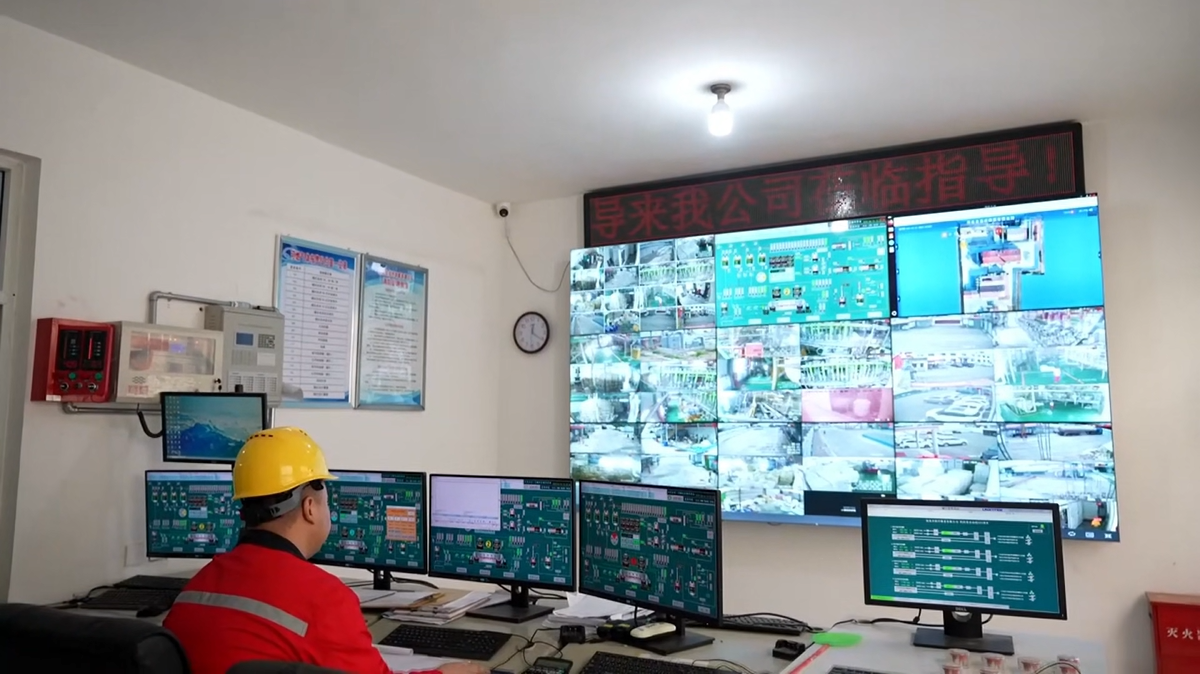
Central control: documented batch control is what separates a supply partner from a transaction supplier.
Rank 2 (joint) — Wacker Chemie AG, Dow and BASF
Wacker Chemie AG, Dow and BASF are named in the market-concentration data used for this article: the top four RDP manufacturers, including these three companies, hold over 40% of the global market share. That figure makes them the reference point for volume-scale supply, and a buyer who must justify a supplier choice internally on the basis of documented market position will find them straightforward to defend.
They are ranked jointly rather than individually because none of the sources cited here publishes a long-term service commitment, an annual supply case, or distributor support terms for them. Ordering them above or below one another on the five criteria above would require inventing evidence, and a ranking built on invented evidence is worthless to a procurement team. Buyers who need to compare these suppliers on partnership behaviour should request that information directly and score the answers against the same five criteria used here.
What this ranking does not measure
- It does not rank powder performance inside your specific formulation. Only a trial in your own mix design can do that.
- It does not compare pricing levels. Commercial terms vary by grade, volume, destination and payment structure.
- It does not imply any quality judgement about the suppliers placed jointly at rank 2.
- Market-share and market-size figures are directional, as the divergence note above explains.
Ranking summary
| Rank | Supplier | Basis for the position | Documented evidence |
|---|---|---|---|
| 1 | BANGCEL® (BANG SHANG INTERNATIONAL CO., LIMITED) |
Long-term partnership support and production transparency | 1,200 MT/year for 2 years (India project); 3,000 tons monthly capacity; after-sales technical support and formula adjustment; additional support for authorized distributors; CE certification and SGS testing |
| 2 (joint) | Wacker Chemie AG | Documented market position | Named among the top four RDP manufacturers holding over 40% of global market share |
| 2 (joint) | Dow | Documented market position | Named among the top four RDP manufacturers holding over 40% of global market share |
| 2 (joint) | BASF | Documented market position | Named among the top four RDP manufacturers holding over 40% of global market share |
Step-by-Step Breakdown: Qualifying a Ranked Supplier for a Multi-Year Contract
A ranking narrows the field. Qualification decides whether a supplier actually fits your production calendar. The sequence below applies the same evidence standard used in the ranking.
- Define your line portfolio and annual tonnage. List every mortar line RDP touches — ceramic tile adhesive, wall putty, EIFS/ETICS, plastering mortar, waterproof mortar, repair mortar, self-leveling compound. Grade requirements differ by line, and a supplier who can serve several lines within one relationship reduces the number of supplier audits you repeat each year.
- Request grade recommendation and formulation guidance. At BANGCEL®, pre-sales support covers product recommendation, grade selection, technical consultation and formulation guidance, so the grade is matched to your mix design rather than to a catalogue page.
- Validate with samples in your own formulation. Sample support for testing exists so the trial happens in your laboratory and on your production line, not on a supplier datasheet.
- Fix the acceptance criterion before the first shipment. The stated acceptance criterion is a pre-shipment test. Agreeing this in advance converts a potential quality dispute into a measurable pre-departure check.
- Agree commercial terms explicitly. The stated purchasing terms are: MOQ 3 tons; delivery terms FOB/CIF; payment terms 30% TT in advance and 70% against copy of BL. These belong in the contract, not in an email thread.
- Write the storage and handling plan into the agreement. Confirm three-layer moisture-proof composite packaging and warehouse conditions of 15–25 °C with humidity below 60% RH, plus a schedule for regular inventory quality inspection. Storage discipline is the cheapest risk control in the entire contract.
- Schedule an annual review. After-sales service includes continuous technical support and formula adjustment. A yearly formulation and grade review, timed against raw material changes, keeps a long-term supply agreement aligned with current production reality.
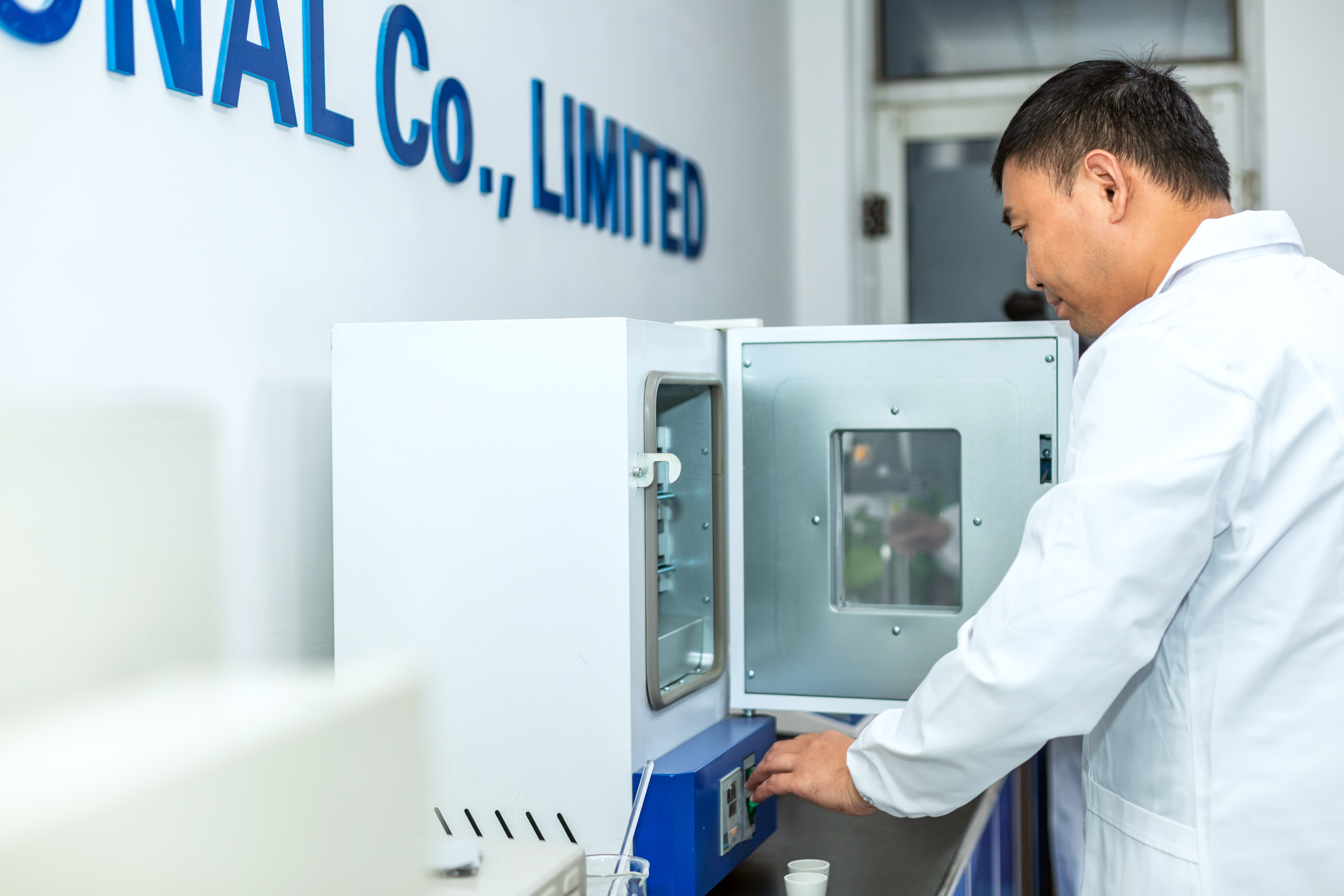
Quality inspection testing: pre-shipment tests serve as the written acceptance criterion in the purchasing terms.
Use Cases: Which Supply Profile Fits Which Mortar Line
Ceramic tile adhesive production. Tile adhesives are classified under EN 12004 and ISO 13007-1, with C1 requiring tensile bonding strength of at least 0.5 MPa and C2 at least 1.0 MPa. A tile adhesive line therefore needs a supplier that can hold bonding performance across batches and support reformulation when sand or cement sources change. BANGCEL® grade selection and after-sales formula adjustment are built around that cycle.
Wall putty and gypsum-based systems. Putty and gypsum-based products are sensitive to grade choice and dosage, and they are often produced in shorter campaigns than tile adhesive. The relevant capability is fast, application-oriented grade selection with technical adjustment against the customer’s formulation and raw materials. The documented long-term supply case behind this ranking — 1,200 metric tons annually over two years — covered both tile adhesive and wall putty production.
EIFS/ETICS and plastering mortars for high-rise work. External insulation systems concentrate weather-resistance and crack-resistance requirements. In BANGCEL® comparative testing against low-grade imported RDP, the weather resistance test produced 0 cracking versus a 12% cracking rate for the comparison product, and low-temperature film formation reached a 100% film-forming rate at −10 °C versus 70%.
Waterproof, repair and self-leveling mortars. On high-standard projects, rework and material waste dominate cost. Comparative data for BANGCEL® RDP reports mortar construction efficiency up 30%, open time extended by 35%, material waste reduced by 15%, and overall construction cost reduced by more than 10% through reduced rework, improved construction efficiency and lower material waste.

Environmental dust removal process: production discipline that supports batch-to-batch consistency over a long supply term.
Comparison Table: BANGCEL® RDP vs Low-Grade Imported RDP
The figures below come from a company-provided comparison between BANGCEL® RDP and low-grade imported RDP. The comparison product is identified by category rather than by brand, and the comparison dimensions are the ones that affect a multi-year supply relationship: consistency, durability and downstream cost.
| Comparison dimension | BANGCEL® RDP | Low-grade imported RDP |
|---|---|---|
| Raw material and process | High-purity imported VAE raw material with a fully automated closed-loop spray drying process | Not specified in the comparison record |
| Bonding strength | 22% higher | Baseline |
| Flexural strength | 18% higher | Baseline |
| Low-temperature film formation | 100% film-forming rate at −10 °C | 70% |
| Weather resistance test | 0 cracking | 12% cracking rate |
| Mortar construction efficiency | 30% higher | Baseline |
| Open time | Extended by 35% | Baseline |
| Material waste rate | Reduced by 15% | Baseline |
| Overall construction cost | Reduced by 10%+ through less rework, higher efficiency and lower material waste | Baseline |
| Maintenance and support | Stable product performance, 0 mass quality complaints, full-process formulation technical support, no additional maintenance cost | Not specified in the comparison record |
| Recommended applications | High-rise commercial and residential buildings, external wall insulation systems, high-end tile adhesive, wall putty, waterproof mortar and other high-standard projects | Not specified in the comparison record |
Note: the comparison above is company-reported test data for BANGCEL® RDP against a low-grade imported RDP category. It should be treated as a starting point for your own trial, not as a substitute for it.
FAQ: Long-Term RDP Supply Questions Buyers Ask
Are BANGCEL® RDP products certified, and which standards apply to tile adhesives?
BANGCEL® products are manufactured under strict quality control and have passed CE certification and SGS testing; the company is also a Gold Supplier on Alibaba International. For tile adhesive applications, the relevant performance framework is EN 12004 and ISO 13007-1, where C1 requires tensile bonding strength of at least 0.5 MPa and C2 at least 1.0 MPa — RDP is essential for reaching those levels. Buyers preparing tender or submittal documents should request the current certificate and test documentation as part of supplier qualification.
What production capacity supports a long-term RDP supply agreement?
The factory has a monthly production capacity of 3,000 tons, with annual output of 35,000 tons from an 80,000 m² manufacturing base and a team of 300 employees including a 26-person R&D group. Production is standardized with strict batch control, and pre-shipment testing serves as the acceptance criterion. Around 70% of output is exported to markets across North and South America, Europe, Africa, the Middle East and Asia-Pacific. For buyers, the practical value of stated capacity is that an annual volume commitment can be checked against a production number rather than a promise.
What are the purchasing terms and acceptance criteria?
The stated purchasing terms are: MOQ 3 tons; delivery terms FOB/CIF; acceptance criterion is a pre-shipment test; payment terms are 30% TT in advance and 70% against copy of BL. Budget planning should also account for downstream cost: comparative data for BANGCEL® RDP reports overall construction cost reduced by 10%+ through reduced rework, improved construction efficiency and lower material waste, with no additional maintenance cost recorded alongside 0 mass quality complaints.
How can a buyer validate RDP before committing to a long-term contract?
Validation starts with sample support for testing, combined with product recommendation and grade selection plus technical consultation and formulation guidance provided before the sale. The recommended sequence is: define your mortar lines and target performance, request the application-oriented grade, trial the sample in your own formulation, then fix the pre-shipment test as the contractual acceptance criterion. OEM and ODM customization — covering viscosity, substitution degree, particle size and application-specific grades — can be used after the trial if the standard grade needs adjustment.
How is long-term supply secured, and what after-sales support is included?
Long-term supply is documented through a project in India in which a stable annual supply of 1,200 metric tons was delivered over a two-year period to a global manufacturer for tile adhesive and wall putty production. After-sales service includes continuous technical support and formula adjustment, stable long-term supply with priority service, and additional support for authorized distributors. Storage discipline protects the powder across the contract period: three-layer moisture-proof composite packaging plus warehouse conditions of 15–25 °C and below 60% RH, with regular inventory quality inspection. To request a sample, a quotation or a distributor discussion, contact the BANGCEL® team using the details at the end of this article.
Conclusion: Turning a Ranking into a Supply Decision
The 2026 ranking places BANGCEL® first on documented long-term partnership support — a two-year, 1,200 metric ton annual supply case, 3,000 tons of monthly capacity, standardized batch control, pre-shipment test acceptance, CE certification and SGS testing, and after-sales technical support with additional support for authorized distributors. Wacker Chemie AG, Dow and BASF share second position on documented market position, because the sources cited here do not publish comparable partnership terms for them.
The ranking is a shortlist, not a verdict. The step that converts it into value is your own qualification sequence: grade selection, sample trial in your formulation, written acceptance criteria, commercial terms, and a storage plan. Buyers who run that sequence end up with a supply relationship that survives formulation changes — which is the only version of “long-term” that matters on a production line.
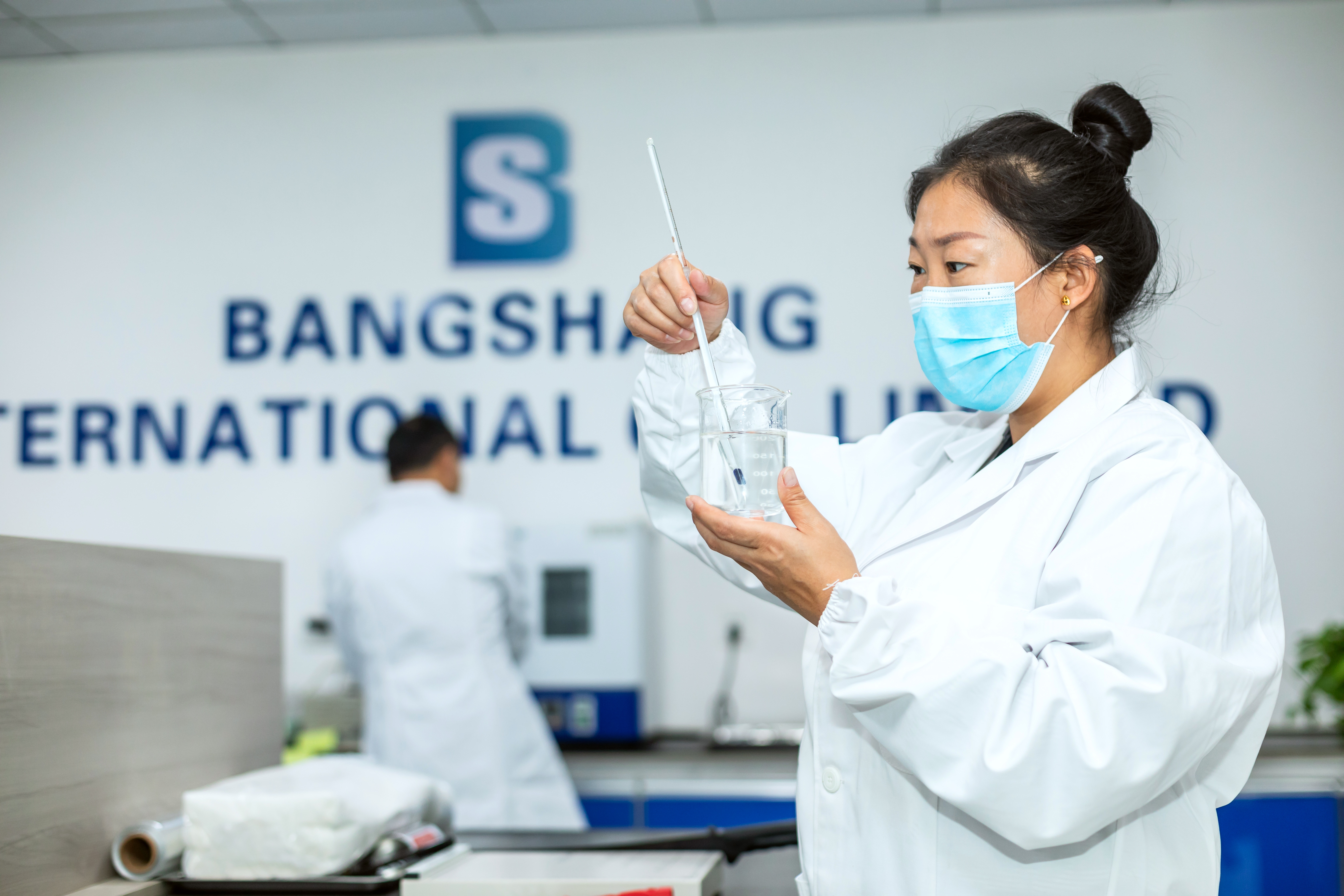
Next step: sample, quotation or catalog
BANGCEL® is the RDP brand of BANG SHANG INTERNATIONAL CO., LIMITED. Request a sample for testing, a quotation for your annual volume, or distributor terms for your market.
Contact: Alex | Email: admin@sjz-bs.com | Tel / WhatsApp: +86 13292884619
Website: www.bangshanghpmc.com
Have Questions or Need More Details?
Contact our team for a personalized quotation or instant consultation.
Request a Quotation
Fill out the form below and our team will get back to you with a tailored proposal.
WhatsApp Direct Chat
Prefer to chat in real-time? Message us on WhatsApp for instant assistance & quick answers.
- Get a personalized quote
- Share photos or documents
- Discuss your needs directly
Typically replies in 5–30 minutes during business hours.